
Choose the season before the cities
Choose a season before choosing cities. China spans very different climates, so a northern capital, a subtropical river town and a high plateau should not be packed with the same clothing or expectations. Build the route around the condition you want to experience, then narrow it to places connected by realistic transport.
Protect the first full day
For a multi-city trip, protect the first full day after an international arrival. The useful question is not how many landmarks fit on a map; it is whether the group can clear the airport, reach the hotel, eat and sleep without turning the opening day into a race.
Give each day a clear rhythm
A single-city stay works best when it has a clear rhythm: one booked landmark, one flexible neighbourhood walk and one meal plan. That combination leaves space for weather, queue changes and the small discoveries that make a visit feel personal.
Match places by experience
Match destinations by experience rather than by fame. Pair Beijing or Xi’an with a landscape stop if the group wants contrast; choose Shanghai, Suzhou and Hangzhou when a slower urban route is the aim. Avoid adding a city only because it appears on a popular list.
Book timed attractions before transport
Treat major attractions as timed commitments. Check the official booking page before fixing a train or flight, carry the booking name exactly as used for the reservation, and keep an unbooked alternative for the same afternoon.
Keep one shared offline trip sheet
The strongest travel habit is to keep one shared trip sheet offline. Put hotel names, addresses, rail references, emergency contacts and key confirmations in it. A phone battery, a roaming problem or a changed platform should not erase the plan.

Choose the entry pathway before the route is fixed
Use passport nationality and type, travel purpose, dates and entry/exit sequence to determine the applicable visa or exemption. The current 240-hour transit notice differs from an ordinary tourist round trip, and regional or cruise policies have their own conditions. Hong Kong and Macao require separate checks, including any return to the mainland. Start at the visa and entry guides linked here, then compare the complete itinerary with the official notice.
Use days, nights and transfers as different units
A ten-day journey may have only eight complete sightseeing days after international arrival and departure. Count hotel nights and each domestic movement before selecting attractions. Beijing, Xi’an and Shanghai provide a familiar three-base core, while Guilin, Yunnan or a mountain area adds a different travel leg. A two-week or three-week plan can deepen a region instead of adding a new city every two nights.
Match the region with the season
Winter Harbin, summer mountain routes and spring Jiangnan gardens have different weather and clothing needs. The best national month does not decide the conditions at every elevation. Check the regional forecast and current scenic-area notices near departure. For 2026, the official holiday blocks include 15–23 February for Spring Festival and 1–7 October for National Day, so the travel calendar also affects a route beyond climate.
Set up transport and payment with original documents
China Railway’s English service uses valid foreign passports under its rules, and the itinerary sheet does not itself authorize boarding. Use the same identity information in the passenger record and carry the original. The official payment guide covers mobile wallets, cards and cash; choose methods that you have tested and keep a physical fallback. A working payment account does not automatically complete an attraction’s real-name booking.

Choose cultural encounters with named hosts
The ethnic-community guides distinguish provinces, languages, local festivals and village settings. A Bai craft visit near Dali, a Dong music session in Guizhou and a Hani terrace introduction near Yuanyang are different itinerary choices. Ask which community and organizer receive the visitors, what permissions are included and how the host is paid. A stage show should be labelled separately from a household or ritual encounter.
Use official sources for changeable facts
NIA decides immigration rules, 12306 supplies rail information, the State Council publishes holiday arrangements and each attraction controls its own admission notice. UNESCO describes heritage significance rather than daily ticket availability. Keep the source and travel date alongside important decisions. A route can combine independent cultural explanation with current operator information without treating an old travel article as a reservation or approval.
Turn the guide into a practical booking sequence
Start with the immigration and date pages, then select an itinerary length and a small number of bases. A ten-day first journey might focus on Beijing, Xi’an and Shanghai; a longer stay can add Guilin, Yunnan or a focused eastern-China extension. The guide’s route examples are proposals. They need to be reconciled with the actual arrival date, travel-document permission and international departure before becoming a booking plan.
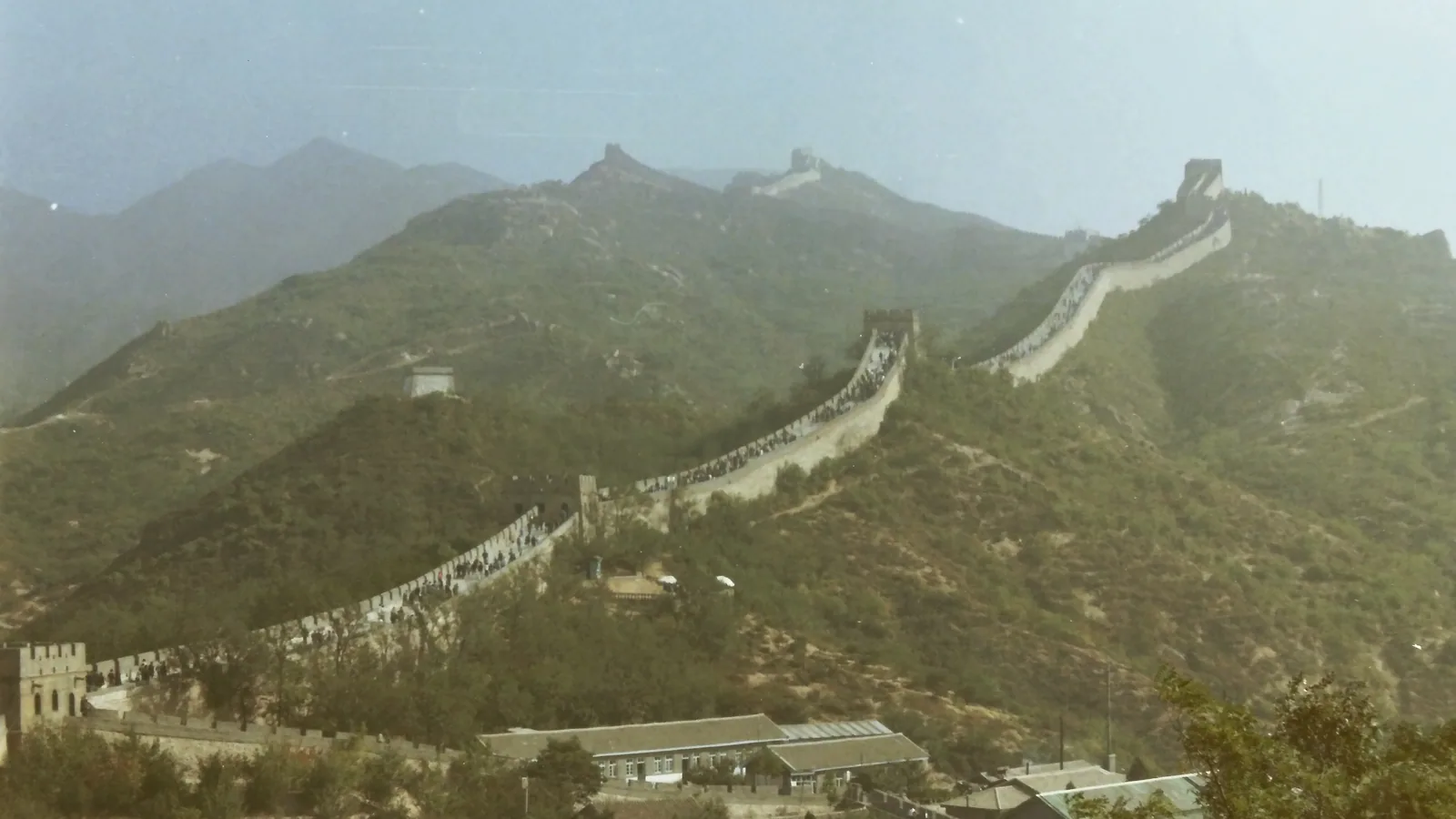
For each base, select one principal experience and read its dedicated guide. A Great Wall day near Beijing, a Terracotta Army visit outside Xi’an and a Shanghai neighbourhood walk create different transport and admission needs. The ethnic-community pages likewise distinguish a village host, a museum, a craft workshop and a festival. A festival’s date or public access must come from the current organizer rather than being inferred from an annual headline.
Use the payment and app guides to prepare the methods that support these bookings. China Railway 12306 handles rail identity and ticket conditions; a hotel handles its room and deposit; an attraction handles its gate and capacity. Keep those responsibilities separate in the itinerary. Read the seasonal pages before choosing a mountain or coastal activity and compare the official 2026 holiday calendar with the transfer dates. An accessible travel folder should contain the final route, addresses and principal order references, while passwords and full payment details remain private.
A concrete planning example
A first plan should explain the entry route, two or three principal bases, one main activity per full day and the final international departure. Then add optional regional detail from the season, itinerary and culture guides. Keep the accommodation address, original document and principal booking references accessible for the first arrival, rather than relying on a phone that has not been tested on the journey.
What to put in the travel folder
For China travel planning around Beijing, Shanghai and a selected regional base, keep the passport, route dates and first accommodation address with the dated itinerary. Distinguish the source notice from a reservation receipt and from a personal planning estimate. The entry route and principal domestic transfer is the first fixed item to reconcile before adding another deadline. Write the exact meeting point, date, person responsible and cancellation condition beside it. If the itinerary changes, update the stored version so the guide, host and traveller are working from the same information.
Keep a shorter route with fewer hotel changes as a usable alternative and identify when it becomes necessary. Allow time to contact the relevant official authority or travel provider before the next fixed commitment.
Frequently asked questions
What should I arrange first?
Start with the entry route and principal domestic transfer and confirm the passport or identity details, date and provider where required. For Beijing, Shanghai and a selected regional base, also identify the actual entrance or meeting point before adding another fixed activity.
Which source should I use for current details?
Use the relevant official authority or travel provider for the actual rule, service or operating decision. The sources below identify the responsible channels.
What should I keep available offline?
Keep the passport, route dates and first accommodation address and the exact meeting or accommodation address accessible.
What can I do if the first choice fails?
Use a shorter route with fewer hotel changes after checking that it is available and suitable for the group.