
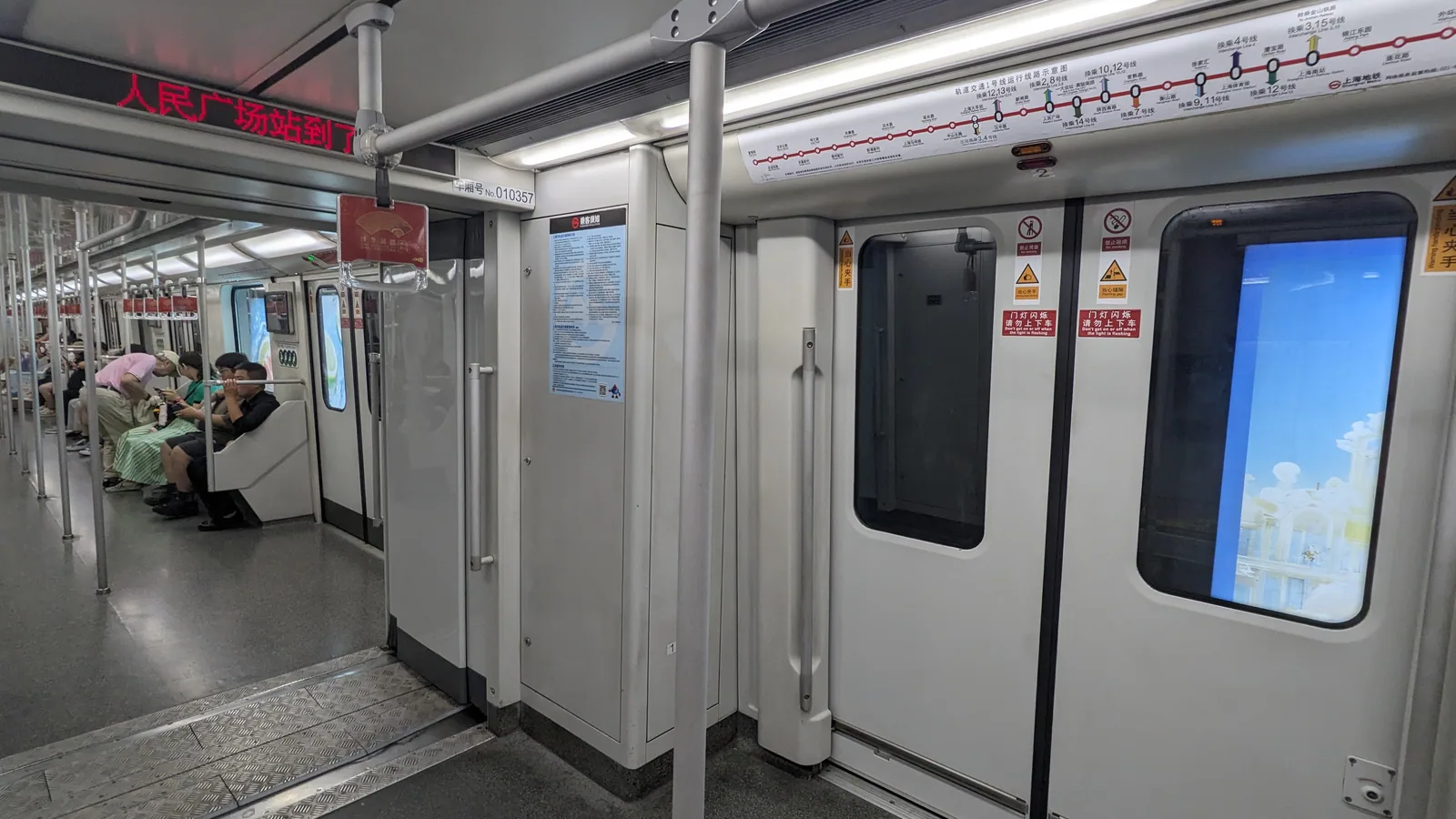
Prepare accounts before arrival
Install only from the provider’s official store listing or website and complete account verification on a secure connection before departure. Save recovery details outside the phone. A new SIM, a lost device or a password prompt should not remove access to bookings.
Book rail with the official service
For rail, use China Railway’s official 12306 service rather than a lookalike reseller. The English site explains passport-based real-name ticketing, ticket types and changes, while live train availability must be checked close to travel.
Keep an offline fallback
Keep a non-app fallback for every essential function. A hotel card or offline address can replace a map for a taxi; a translated food-allergy note can replace a network-dependent translation; a physical card can replace a wallet app.
Review permissions and practise key screens
Review permissions, notifications and linked cards before the trip. Disable unnecessary access and turn on alerts for financial transactions. Familiarity is part of safety: practise the key screens before arriving at a station or payment counter.
Verify travel information with the provider
Use social and review platforms as discovery tools, not as a final operational source. Opening times, booking rules and weather conditions should be verified on the attraction, carrier or official local notice before the day is fixed.

Build a small toolkit around real tasks
Use a payment app, a map that you can operate, a translation tool and the booking channels actually needed for the itinerary. Alipay and WeChat can provide payment or service functions, while China Railway 12306 is the official rail platform. A map, an airline app and an attraction mini program each answer a different question. Install from the publisher’s official link or the appropriate app store and verify the publisher before entering passport or card information.
Rail identity matters more than a translated station name
The 12306 English service accepts valid foreign passports under its stated rules. Enter the passenger’s name and number consistently with the original passport. Check the station, date, train number and destination, not only the city. Beijing South, Beijing West and Beijing railway station are separate departure points. Save the order offline, but remember that the itinerary sheet is not a boarding document. Carry the original identity document used for the booking.
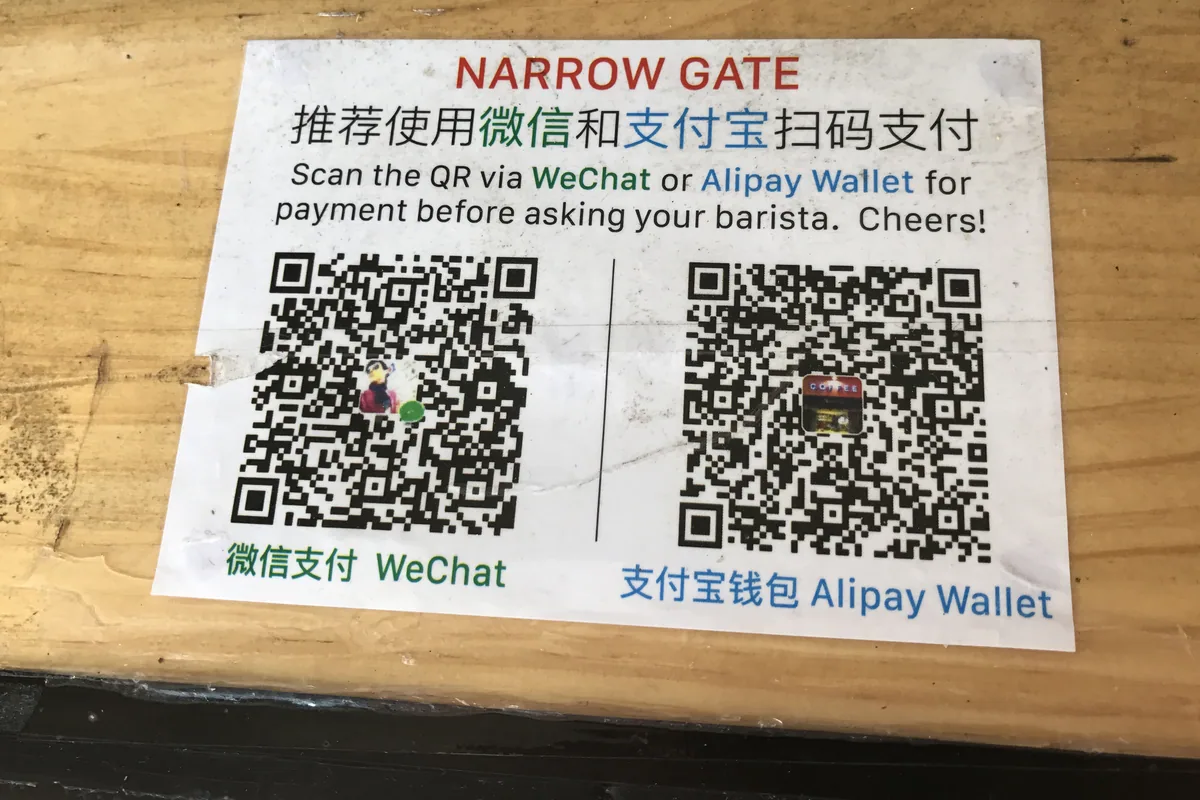
Save a map destination that identifies the entrance
Pin the hotel’s vehicle entrance and an attraction’s visitor gate, then save the address and contact offline. A scenic-area name can refer to a large territory rather than its ticket gate. In a city with several rail stations, add the full station name and departure hall to the note. A map’s journey estimate does not include every security or ticket queue. Show a driver a verified destination rather than a place name translated from memory.
Separate official forms from unofficial service pages
NIA provides official arrival-card channels and non-hotel accommodation-registration channels. A paid search advertisement is not proof that a form is required or official. Use the authority’s linked channel and store the resulting receipt or record where relevant. The arrival card is not a visa application. Hotels generally perform their guest registration, while a private-home stay follows the relevant accommodation-registration process.
Test translation, connectivity and login recovery
Download the language material needed by the translation app if an offline option is available, then test it without a connection. Keep the phone number used for important login codes accessible. An app that worked on home Wi-Fi may need another verification after a new login or card change. Test the map, payment and booking screens before the first fixed travel day. Carry a power bank permitted by the chosen transport operator and a charging cable.
Keep the account information private
Only enter passport and payment data in the verified service handling the booking or required official process. A guide can help interpret a screen without needing the password or bank verification code. Save the booking reference and service contact separately from login credentials. For shared itineraries, give companions the meeting point and order details they need rather than distributing screenshots containing full identity pages or account information.
Rehearse the first day on the phone
Create an offline note with four distinct destinations: the arrival airport or station, the hotel’s vehicle entrance, the next intercity departure station and the first reserved attraction gate. Add the hotel telephone, booking reference and the date of arrival. In Beijing, use the full name Beijing Capital International Airport or Beijing Daxing International Airport. In Shanghai, distinguish Pudong from Hongqiao. An app that returns a city-centre pin has not yet solved the airport-transfer question.
For each essential app, open the exact screen you will need: the merchant payment screen, a saved map destination, the rail order and any attraction reservation. Check whether these screens still display useful information after the phone loses data service. An offline screenshot can show a booking reference, but a dynamic payment code or time-sensitive admission code may require a fresh connection. Keep the original passport available for the railway or staffed attraction counter rather than relying on a screenshot alone.
If several travellers share the plan, name one person to maintain the transport list and give each traveller their own document and booking information. Keep emergency contact numbers outside the payment app. When changing phones, test login recovery before discarding the old device or SIM. A mobile data package, international roaming and local Wi-Fi have different coverage and login arrangements; confirm the provider’s terms instead of assuming that one app solves connectivity. A charged phone and an accessible original document are separate requirements.
A concrete planning example
For a Beijing arrival, test one hotel-address pin, one local transport route and the 12306 passenger record before departure. Store the hotel name, telephone and full address offline. If the onward train leaves Beijing South, do not let a map autocomplete change the destination to Beijing West. A staffed counter and the original passport remain useful when a booking or identity verification cannot be completed in the app.
What to put in the travel folder
For travel-app preparation around Beijing, keep the 12306 order and hotel address with the dated itinerary. Distinguish the source notice from a reservation receipt and from a personal planning estimate. The first rail or hotel booking is the first fixed item to reconcile before adding another deadline. Write the exact meeting point, date, person responsible and cancellation condition beside it. If the itinerary changes, update the stored version so the guide, host and traveller are working from the same information.
Keep a printed address and staffed service counter as a usable alternative and identify when it becomes necessary. Allow time to contact the app publisher or transport operator before the next fixed commitment.
Frequently asked questions
What should I arrange first?
Start with the first rail or hotel booking and confirm the passport or identity details, date and provider where required. For Beijing, also identify the actual entrance or meeting point before adding another fixed activity.
Which source should I use for current details?
Use the app publisher or transport operator for the actual rule, service or operating decision. The sources below identify the responsible channels.
What should I keep available offline?
Keep the 12306 order and hotel address and the exact meeting or accommodation address accessible.
What can I do if the first choice fails?
Use a printed address and staffed service counter after checking that it is available and suitable for the group.