
Character, context and route logic
Why visit this destination, and what deserves priority?
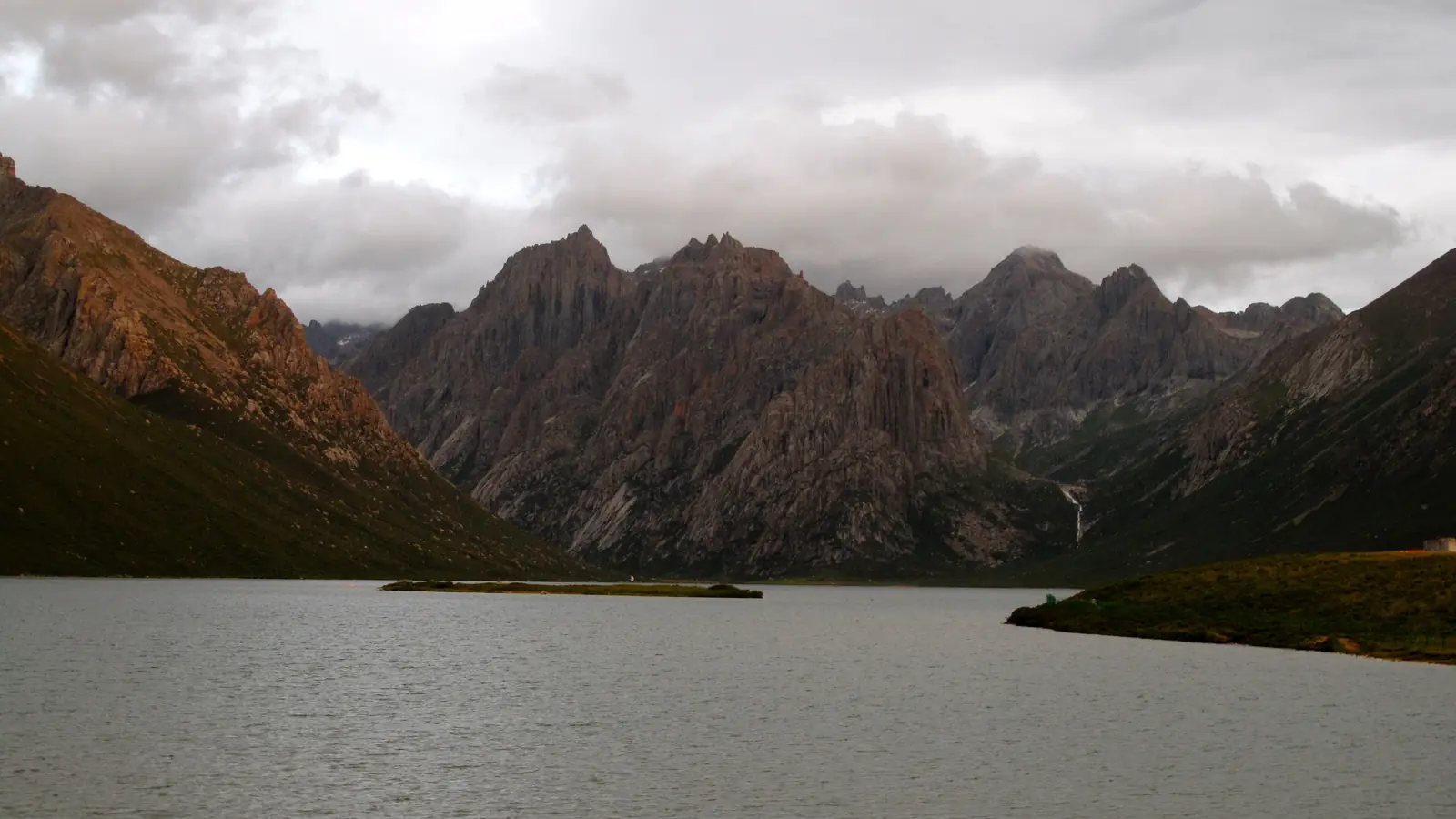
The metropolitan area is a vast plateau region of monasteries, pilgrimage circuits, farming valleys, turquoise lakes and extremely high road passes. Distances that look short on a map can consume most of a day because checkpoints, road conditions, viewpoint stops and the need for a measured pace shape the journey.
The classic sequence opens with several steady nights in Lhasa, then moves via Yamdrok and Gyantse to Shigatse. Everest Base Camp or more remote western areas come later. The itinerary should never gain height merely to collect a viewpoint and then sleep even higher without observing symptoms.
Foreign visitors normally enter under a the local area Travel Permit submitted by a licensed local organizer, with further clearances for certain regions and a guided pre-arranged programme. Anyone affected by cardiac or respiratory illness, pregnancy, marked anaemia, an earlier dangerous altitude reaction or another material risk needs clinical advice before committing.
Local detail appears when transfers are grouped and at least one period remains unhurried. Build the local hub from lower to higher nights: acclimatize in Lhasa, continue through Gyantse and Shigatse, then consider Everest or western extensions. The permit, guide and vehicle are part of the trip framework, not paperwork to add after flights are booked. The final choice should follow the group’s walking tolerance and onward journey, not a generic popularity ranking.
Local planning detail 1 — Lhasa cultural foundation: Begin with Jokhang, Barkhor, Potala and major monasteries at a slow rhythm before any high-road ambition. Lhasa: The essential acclimatization base with the region’s best medical access and a wide range of hotels. Stay centrally but vehicle-accessibly. Lhasa: Begin every first route with acclimatization and the plateau’s central cultural sites. Local detail appears when transfers are grouped and at least one period remains unhurried. The final choice should follow the group’s walking tolerance and onward journey, not a generic popularity ranking.
Local planning detail 2 — Yamdrok Lake and passes: Cross only after acclimatization, keeping warm layers and respecting controlled stops, weather and sacred-landscape etiquette. Gyantse: A useful intermediate elevation and cultural stop on the road to Shigatse, with simpler accommodation. Shigatse: Use the second city as the measured bridge toward Everest and western the metropolitan area. Local detail appears when transfers are grouped and at least one period remains unhurried. The final choice should follow the group’s walking tolerance and onward journey, not a generic popularity ranking.
Local planning detail 3 — Gyantse heritage: Use the monastery, kumbum and valley setting as a meaningful intermediate night rather than a roadside box to tick. Shigatse: The last major city for many western routes; use it for a stable night, supplies and permit checks. Nagqu: Continue north only for travellers prepared for higher nights, long roads and limited facilities. Local detail appears when transfers are grouped and at least one period remains unhurried. The final choice should follow the group’s walking tolerance and onward journey, not a generic popularity ranking.
Local planning detail 4 — Shigatse and Tashilhunpo: Spend enough time in the local area’s second city to understand monastic life and prepare for the higher western road. Remote guesthouses or tent areas: Expect basic heating, toilets and food. Exact operations change; suitability must be discussed before the itinerary is sold. Lhasa: Begin every first route with acclimatization and the plateau’s central cultural sites. Local detail appears when transfers are grouped and at least one period remains unhurried. The final choice should follow the group’s walking tolerance and onward journey, not a generic popularity ranking.
Six distinct experiences
Best things to do here without rushing
Lhasa cultural foundation
Begin with Jokhang, Barkhor, Potala and major monasteries at a slow rhythm before any high-road ambition.
Yamdrok Lake and passes
Cross only after acclimatization, keeping warm layers and respecting controlled stops, weather and sacred-landscape etiquette.
Gyantse heritage
Use the monastery, kumbum and valley setting as a meaningful intermediate night rather than a roadside box to tick.
Shigatse and Tashilhunpo
Spend enough time in this destination’s second city to understand monastic life and prepare for the higher western road.
Everest north side
Attempt the long, high route only with permits, stable health, adequate nights and acceptance that cloud can remove the mountain view.
Namtso or northern grasslands
Treat high lakes and Nagqu country as demanding extensions with limited facilities, cold nights and large driving distances.
Choose depth before adding stops
How many days do you need at a comfortable pace?
5 days: Lhasa and nearby valleys
Use at least three nights in Lhasa and one measured regional excursion. This is the shortest responsible cultural introduction.
8 days: central Tibet circuit
Continue through Yamdrok, Gyantse and Shigatse with altitude increasing gradually and meaningful nights outside the capital.
10–15 days: Everest or remote extension
Add the north side of Everest or western/northern sectors only with extra permits, reserve days and a group prepared for basic highland conditions.
Weather, crowds and operating conditions
Best time to visit
May to October supports the broadest range of road journeys, though summer rain can affect slopes and visibility. Winter is dry, cold and culturally interesting but regional access and heating vary. High passes can receive snow in any shoulder month.
| Months | Typical conditions | Crowds | Planning note |
|---|---|---|---|
| May–June | Mostly arid with frigid high passes | Busy | Intense sun and wide temperature changes |
| July–August | Warmer under monsoon influence | Busy | Rain can alter roads and mountain visibility |
| September–October | Often clearer, then rapidly colder | Busy | Prepare for freezing nights and holiday demand |
| November–March | Frigid, arid and lightly visited | Limited | Verify regional access, documents and property heating |
May to October supports the broadest range of road journeys, though summer rain can affect slopes and visibility. Winter is dry, cold and culturally interesting but regional access and heating vary. High passes can receive snow in any shoulder month. Foreign visitors normally enter under a the destination itself Travel.
Choose the useful base first
Where to stay
Lhasa
The essential acclimatization base with the region’s best medical access and a wide range of hotels. Stay centrally but vehicle-accessibly.
Gyantse
A useful intermediate elevation and cultural stop on the road to Shigatse, with simpler accommodation.
Shigatse
The last major city for many western routes; use it for a stable night, supplies and permit checks.
Remote guesthouses or tent areas
Expect basic heating, toilets and food. Exact operations change; suitability must be discussed before the itinerary is sold.
Lhasa: The essential acclimatization base with the region’s best medical access and a wide range of hotels. Stay centrally but vehicle-accessibly. Gyantse: A useful intermediate elevation and cultural stop on the road to Shigatse, with simpler accommodation.
Gateways, transfers and local movement
Getting there and around
Before arrival
Do not issue the city-bound transport until the operator confirms the permit process and how documents will be delivered or presented.
Rail and air
Both reach Lhasa, but neither removes altitude risk. Arrival time should leave the first day free of ambitious touring.
Overland vehicle
A licensed arranged vehicle supports the approved route. Daily kilometres must include checkpoints, meals, weather and photo stops.
Checkpoints and documents
Carry original passport, visa where applicable and permits. The guide manages procedures, but travellers should expect waiting time.
The classic sequence opens with several steady nights in Lhasa, then moves via Yamdrok and Gyantse to Shigatse. Everest Base Camp or more remote western areas come later. The itinerary should never gain height merely to collect a viewpoint and then sleep even higher without.
Foreign visitors normally enter under a this part of China Travel Permit submitted by a licensed local organizer, with further clearances for certain regions and a guided pre-arranged programme. Anyone affected by cardiac or respiratory illness, pregnancy, marked anaemia, an earlier dangerous altitude reaction or another material risk.
Direct planning answers
Tibet FAQ
Which documents are required for a foreign visitor?
A licensed organizer submits the principal the surrounding area permit, while the chosen region may trigger further clearances. Passport, Chinese visa or applicable entry evidence and the final itinerary determine the file.
What is the safest acclimatization order?
Begin with several nights in Lhasa, then Gyantse and Shigatse before Everest or northern highlands. A gradual sequence reduces avoidable stress but cannot guarantee immunity.
Who should reconsider a the wider region trip?
Cardiac or pulmonary illness, pregnancy, substantial anaemia, a past dangerous altitude episode or another material concern calls for personalized clinical guidance and may make plateau travel inappropriate.
Can I travel independently?
Foreign guests normally follow a pre-approved programme with a licensed local guide and designated vehicle. Recheck area rules before paying for non-refundable connections.
How many days should I plan?
Five days is a short Lhasa introduction, eight suits the city centre, and ten or more is realistic for Everest.
What if I develop altitude symptoms?
Stop ascending, rest and tell the guide. Severe or worsening headache, breathlessness at rest, confusion, loss of coordination or chest symptoms require urgent medical assessment and possibly descent.
Routes with visible scope
Itineraries that fit this destination
The classic sequence opens with several steady nights in Lhasa, then moves via Yamdrok and Gyantse to Shigatse. Everest Base Camp or more remote western areas come later..
 Tibet Tours and Multi-Day RoutesThe classic sequence opens with several steady nights in Lhasa, then moves via Yamdrok and Gyantse to Shigatse. Everest Base Camp or more remote.View route →
 Continue Through ChinaLhasa: Begin every first route with acclimatization and the plateau’s central cultural sites. Shigatse: Use the second city as the measured bridge.View route →
 Design a Private Tibet JourneyForeign visitors normally enter under a the overnight base Travel Permit submitted by a licensed local organizer, with further clearances for certain regions and.View route →
Continue in a logical direction
Nearby destinations
The classic sequence opens with several steady nights in Lhasa, then moves via Yamdrok and Gyantse to Shigatse. Everest Base Camp or more remote western areas come later. The itinerary should never gain height merely to collect a viewpoint and then sleep even higher without observing symptoms. Lhasa: Begin every first route with acclimatization and the plateau’s central cultural sites. Shigatse: Use the second city.