
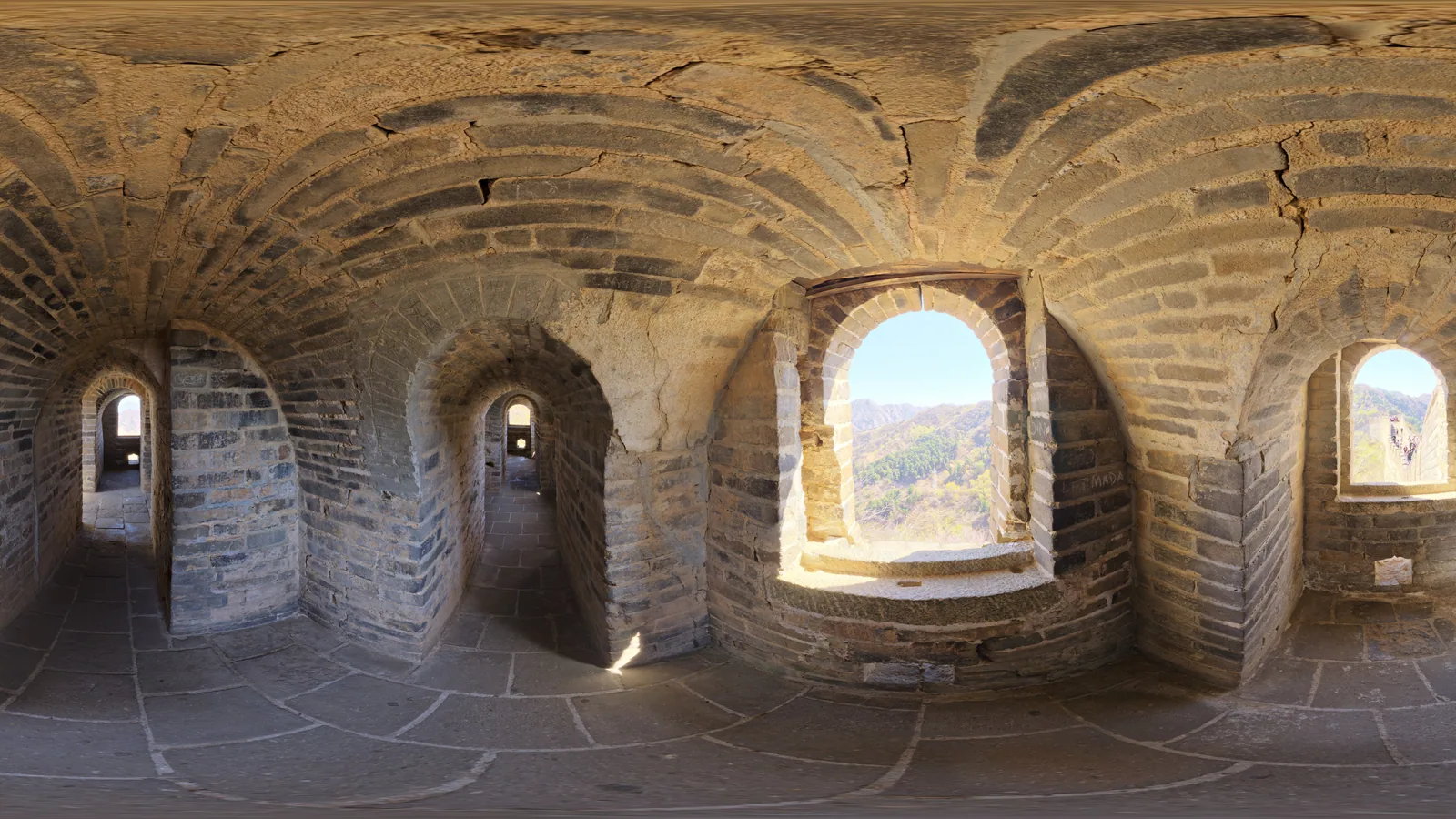
Start with one trip objective
Begin with one trip objective. A first-time group that wants imperial history, city life and food needs a different route from hikers seeking scenery and cool weather. Once the objective is clear, choose a limited set of cities with a natural transport order.
Count full days honestly
Decide how many full days are genuinely available after arrival and before the flight home. Arrival days, hotel changes and long transfers are part of the holiday. Label them honestly and the remaining sightseeing days become more enjoyable.
Check the season by region
Check season by region, not by country name. Rain, heat, cold and altitude can create completely different conditions on the same dates. Official weather and destination notices should guide packing and the order of outdoor activities.
Book the hardest commitment first
Book the hardest reservation before filling the gaps. That may be an entry document, an international flight, a train in a busy period or a limited attraction slot. Build flexible meals and neighbourhood time around it.
Prepare payments, data and offline records
Set up redundant travel basics before departure: payment methods, offline hotel details, reliable data access and a shared itinerary. The backup is valuable because it lets the group solve a small issue without losing a day.
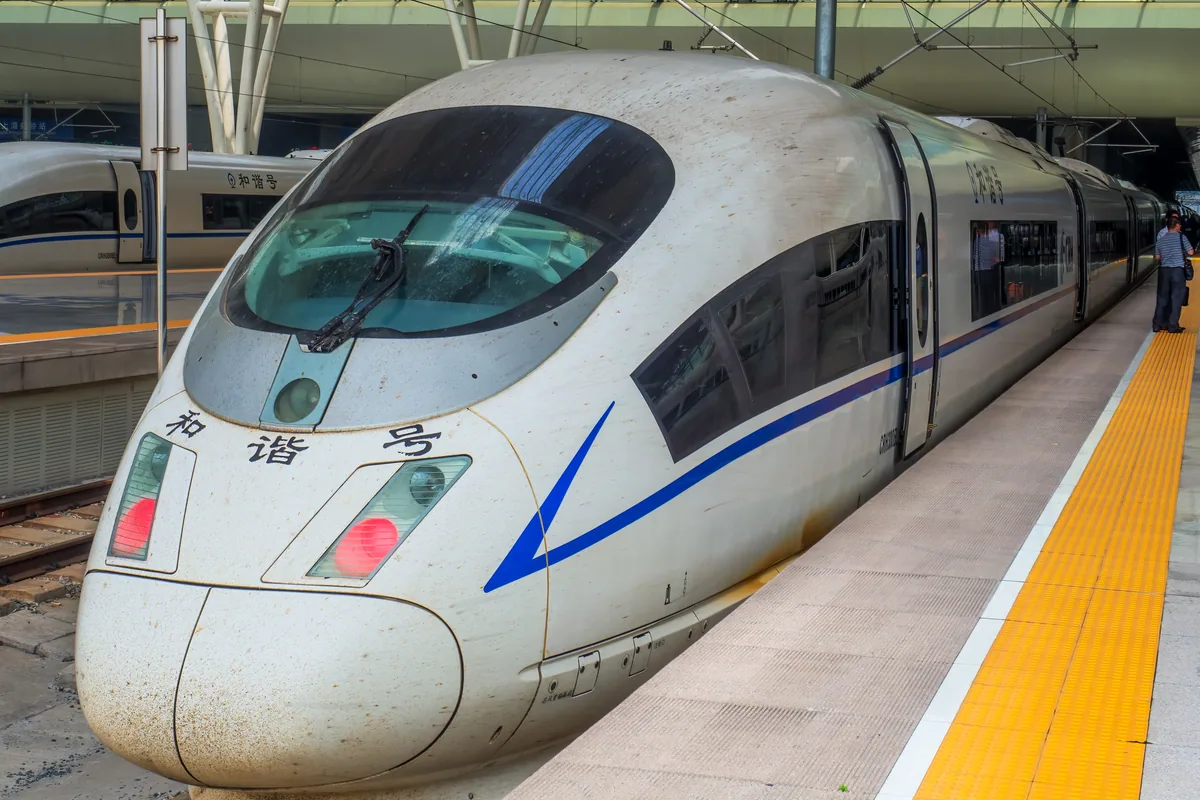
Count nights and usable days first
A ten-day international holiday can include arrival and departure days that are not full sightseeing days. Write every hotel night and major transfer in order before choosing attractions. Beijing, Xi’an and Shanghai can form a three-base first route, while adding Guilin or a mountain destination requires another movement allowance. A direct rail service still occupies time for the station journey, security, luggage and hotel check-in.
Check the entry route against the actual itinerary
A consular visa, an ordinary exemption and a transit permission have different conditions. A route built for a 240-hour transit entry needs the correct passport, designated entry port, permitted geography and third-country onward sequence. Do not purchase a twelve-day tour and assume that an entry called ten days covers it. A Hong Kong or Macao stop with a mainland return needs another entry check.
Choose the travel window with official holiday dates
For 2026, Spring Festival’s adjusted break is 15–23 February, Labour Day is 1–5 May and National Day is 1–7 October. These periods can influence transport and accommodation choices, while regional weather can favour a different route. Use the published schedule for the actual travel year. A plan for southern Yunnan and a plan for winter Harbin need different clothing, daylight and outdoor-activity assumptions.

Put the hard-to-move booking before the flexible walk
Identify attractions using timed or named reservations and arrange their dates before surrounding neighbourhood activities. Keep passport details consistent with the ticket instructions. A museum reservation, a long out-of-town excursion and an evening intercity train create several fixed deadlines. Spread them over different days where possible. A flexible meal or walk nearby is easier to shorten than a distant prepaid activity.
Build a budget from actual categories
List hotel nights, domestic transport, attraction admission, local transfers, guiding, meals and any specialist activity separately. Compare room and tour quotations with their cancellation terms and inclusions. A cheap hotel far from the daily route can add repeated taxi costs. Do not use one generic daily amount for both a private-driver mountain route and an urban self-guided stay. Keep the fixed commitments visible before spending on optional extras.
Confirm the last practical connection
For every change of base, identify the exact station or airport, the hotel drop-off and the luggage arrangement. A rail order identifies a train, while a hotel address may need another vehicle entrance. Confirm who meets the group and how to contact that person if the transport is late. Keep a shorter route available if one city must be dropped because of a booking or weather change.
Compare two workable fourteen-day route patterns
One pattern uses Beijing, Xi’an, Guilin or Yangshuo, and Shanghai as four bases. Allocate multiple nights to each rather than promising a new destination daily. The Guilin extension needs a separate domestic journey and local transport into the landscape area. A Li River activity requires its own operator, boarding point and weather check. Count those arrangements before adding another mountain or ethnic-village excursion to the same trip.
A second pattern keeps Beijing, Xi’an and Shanghai, then uses Suzhou or Hangzhou as a regional extension from the eastern end. This can concentrate more time on gardens, museums and urban neighbourhoods, with a different transport profile from the Guangxi route. UNESCO’s Suzhou garden and Hangzhou West Lake entries describe heritage significance; the chosen garden or lake service controls its current ticket or boat arrangement. The two route patterns serve different interests rather than representing a universal best itinerary.
Compare both patterns in a table of nights, fixed journeys, principal admissions and flexible days. Add the international arrival and departure as their own entries. If an attraction day requires a very early start, place a lighter period nearby. Keep one removable activity that does not invalidate the core route. Finalize the travel-document conditions before purchasing the non-refundable domestic legs, and save each provider’s actual change rules beside its booking reference.
A concrete planning example
For a fourteen-day first visit, begin with a three-city core and add one landscape base only if the nights and transfers still leave meaningful time. Compare a Guilin extension with a longer Shanghai–Suzhou area stay as distinct choices. The preferred route should explain why each transfer is useful, rather than adding cities solely to fill the calendar.
What to put in the travel folder
For route design around Beijing, Xi’an and Shanghai, keep a dated itinerary with transport and admission references with the dated itinerary. Distinguish the source notice from a reservation receipt and from a personal planning estimate. The entry route and first major reservation is the first fixed item to reconcile before adding another deadline. Write the exact meeting point, date, person responsible and cancellation condition beside it. If the itinerary changes, update the stored version so the guide, host and traveller are working from the same information.
Keep one fewer destination and a longer stay in the remaining bases as a usable alternative and identify when it becomes necessary. Allow time to contact the immigration, railway or attraction operator before the next fixed commitment.
Frequently asked questions
What should I arrange first?
Start with the entry route and first major reservation and confirm the passport or identity details, date and provider where required. For Beijing, Xi’an and Shanghai, also identify the actual entrance or meeting point before adding another fixed activity.
Which source should I use for current details?
Use the immigration, railway or attraction operator for the actual rule, service or operating decision. The sources below identify the responsible channels.
What should I keep available offline?
Keep a dated itinerary with transport and admission references and the exact meeting or accommodation address accessible.
What can I do if the first choice fails?
Use one fewer destination and a longer stay in the remaining bases after checking that it is available and suitable for the group.