Character, context and route logic
Why visit this destination, and what deserves priority?
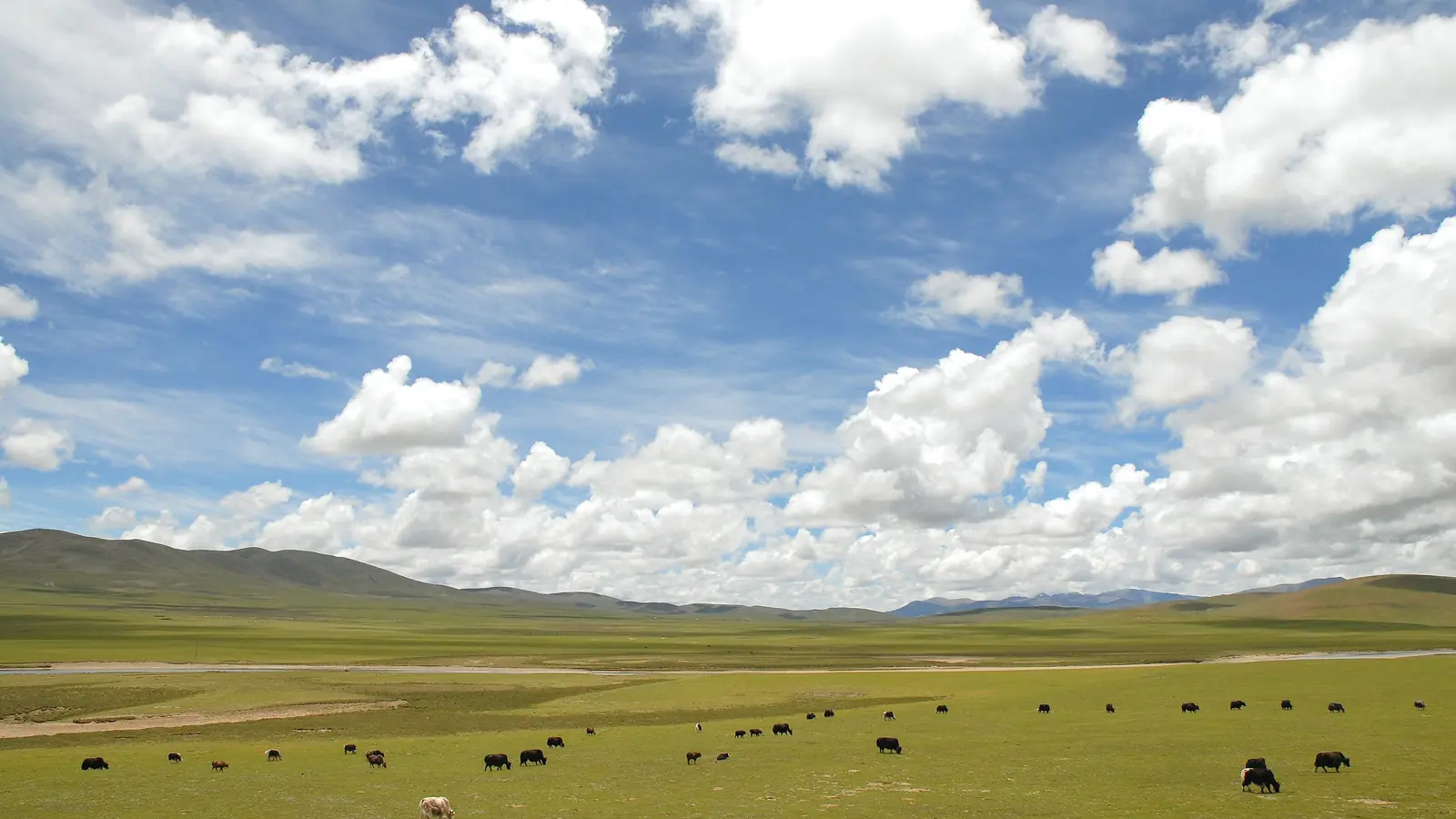
The local hub, also written Naqu, lies across the high Changtang of northern Tibet. Travellers come for enormous grassland horizons, lakes, nomadic cultural context and routes toward Namtso, but altitude, distance, weather and permit controls make it a specialist destination rather than a casual extension.
Approach after acclimatisation in Lhasa, not immediately after arriving from low elevation. Use this part of China town as a logistical stop and build Namtso or grassland sectors into a multi-day loop. Long drives and simple services mean that one meaningful landscape day is better than several named points.
The urban base is at very high elevation.
The right plan leaves room for the destination to change character between morning and evening. This destination, also written Naqu, lies across the high Changtang of northern Tibet. Travellers come for enormous grassland horizons, lakes, nomadic cultural context and routes toward Namtso, but altitude, distance, weather and permit controls make it a specialist destination rather than.
Six distinct experiences
Best things to do here without rushing
Namtso Lake
A high-altitude sacred lake best included in a multi-day route from Lhasa through northern Tibet. Do not visit immediately after flying into Lhasa. Build acclimatisation first, use an authorised vehicle and keep a weather alternative. Shore walks should remain short.
Changtang Grassland
Immense northern plateau landscapes where ecology, pastoral life and distance require respectful interpretation. Choose a specific, permitted sector rather than promising to “cross the Changtang.” Carry supplies, respect grazing land and never approach wildlife. Photography of residents, homes or herds.
Nyenchen Tanglha Mountains
A major mountain range shaping Namtso’s southern horizon and the climate of central and northern Tibet. Use established viewpoints within the authorised itinerary. Do not advertise climbing, off-road access or guaranteed clear peaks. Morning light may help, but cloud and.
Tanggula Pass and Northern Plateau Route
A remote high-point corridor most realistically experienced from the train or a specialised overland itinerary. Treat this as part of a longer permit-led journey, not a guaranteed roadside stop. The railway offers broad landscape views without off-route impact. Any overland.
Nagqu Grassland and Cultural
A permit-led local day focused on plateau ecology and respectful cultural context close to the surrounding area. Very high elevation, wind and limited facilities require conservative pacing. Encounters and events are never guaranteed.
Nyenchen Tanglha Foothills
A cautious road-based landscape day using authorised viewpoints toward the Nyenchen Tanglha range. This is not a climbing trip. Clear views are not guaranteed, and the day may be replaced by a lower-risk local route.
Choose depth before adding stops
How many days do you need at a comfortable pace?
Short stay: Namtso Lake and Changtang Grassland
A high-altitude sacred lake best included in a multi-day route from Lhasa through northern Tibet. Immense northern plateau landscapes where ecology, pastoral life and distance require respectful interpretation. Approach after acclimatisation in Lhasa, not immediately after arriving from low elevation. Use the metropolitan area town as a logistical stop and build Namtso or grassland sectors into a multi-day loop. Long drives and simple services mean that one meaningful landscape day is better than several named points.
7 days: 7-Day Lhasa, Namtso and Nagqu Tour
Transfer slowly and keep the day free of sightseeing. Use a gentle, permitted city programme with rest breaks. Lhasa · Namtso · the destination itself. High-altitude cultural and landscape route.
Nyenchen Tanglha Mountains extension toward Tibet or Lhasa
Approach after acclimatisation in Lhasa, not immediately after arriving from low elevation. Use the wider region town as a logistical stop and build Namtso or grassland sectors into a multi-day loop. Long drives and simple services mean that one meaningful landscape day is better than several named points. Start with the wider permit, altitude and route-planning guide. Use several days in and around Lhasa before travelling higher.
Weather, crowds and operating conditions
Best time to visit
The more workable travel window is generally the warmer part of the year, though rain, hail, snow and strong wind remain possible. Winters are extremely cold and many remote routes become impractical. Festival dates and visitor access must be confirmed rather than assumed.
| Months | Typical conditions | Crowds | Planning note |
|---|---|---|---|
| March–May | The more workable travel window is generally the warmer part of the. | Namtso Lake | The local area is at very high elevation. Travellers need conservative acclimatisation, warm and. |
| June–August | The city is at very high elevation. Travellers need conservative acclimatisation, warm and. | Changtang Grassland | The Qinghai–Tibet Railway reaches the overnight base, and roads connect from Lhasa across high. |
| September–November | Approach after acclimatisation in Lhasa, not immediately after arriving from low elevation.. | Nyenchen Tanglha Mountains | The more workable travel window is generally the warmer part of the. |
| December–February | The Qinghai–Tibet Railway reaches the local hub, and roads connect from Lhasa across high. | Namtso route lodging | Start with the wider permit, altitude and route-planning guide. |
The more workable travel window is generally the warmer part of the year, though rain, hail, snow and strong wind remain possible. Winters are extremely cold and many remote routes become impractical. Festival dates and visitor access must be confirmed rather than assumed. This part of China is at very high.
Choose the useful base first
Where to stay
Nagqu town
The practical base for transport and basic services. Confirm heating, oxygen arrangements if medically advised, and foreign-guest registration.
Namtso route lodging
Use only within an authorised itinerary after current seasonal operations are confirmed.
Remote county stays
Expect simple conditions and accept that permissions, roads or weather may cancel the plan.
Nagqu gateway overnight
The Qinghai–Tibet Railway reaches the urban base, and roads connect from Lhasa across high passes. A high-altitude sacred lake.
This destination town: The practical base for transport and basic services. Confirm heating, oxygen arrangements if medically advised, and foreign-guest registration. Namtso route lodging: Use only within an authorised itinerary after current seasonal operations are confirmed.
Gateways, transfers and local movement
Getting there and around
Arriving in Nagqu
The Qinghai–Tibet Railway reaches the surrounding area, and roads connect from Lhasa across high passes.
Building the route
Approach after acclimatisation in Lhasa, not immediately after arriving from low elevation. Use the metropolitan area town as a logistical stop and build Namtso or grassland sectors into a multi-day loop. Long drives and simple services mean that one meaningful landscape day.
Local movement
The destination itself is at very high elevation.
Onward connection
Start with the wider permit, altitude and route-planning guide. Use several days in and around Lhasa before travelling higher. Connect by rail only as part of a documented, permit-compliant plateau journey.
Approach after acclimatisation in Lhasa, not immediately after arriving from low elevation. Use the wider region town as a logistical stop and build Namtso or grassland sectors into a multi-day loop. Long drives and simple services mean that one meaningful landscape day is better than several named.
The local area is at very high elevation.
Direct planning answers
Nagqu FAQ
How should Namtso Lake shape a stay based in the city?
Approach after acclimatisation in Lhasa, not immediately after arriving from low elevation. Use the overnight base town as a logistical stop and build Namtso or grassland sectors into a multi-day loop. Long drives and simple services mean.
Which season suits Changtang Grassland?
The more workable travel window is generally the warmer part of the year, though rain, hail, snow and strong wind remain possible. Winters are extremely cold and many remote routes become impractical. Festival dates and.
When should the local hub come in a Tibet route?
Only after several Lhasa nights and preferably a stable stay in another plateau base. This part of China is higher, colder and more remote; it should never be the first acclimatization stop.
Who should not travel to the urban base?
Clinical guidance is essential for pregnancy, substantial anaemia, diagnosed cardiopulmonary disease, a history of dangerous high-elevation responses or any comparable concern. The doctor may rule out northern-plateau travel.
What permit is needed for this destination?
A licensed Tibet travel organizer must place the surrounding area inside the approved journey and submit the required documents. Northern counties can need further clearance or remain closed to foreign visitors.
What affects the budget for Changtang Grassland?
The Qinghai–Tibet Railway reaches the metropolitan area, and roads connect from Lhasa across high passes. Remote counties may require additional approvals or may be.
Routes with visible scope
Itineraries that fit this destination
Approach after acclimatisation in Lhasa, not immediately after arriving from low elevation. Use the local area town as a logistical stop and build Namtso.
 Nagqu Tours and Multi-Day RoutesApproach after acclimatisation in Lhasa, not immediately after arriving from low elevation. Use the destination itself town as a logistical stop and build Namtso or grassland.View route →
 Continue Through ChinaTibet: Start with the wider permit, altitude and route-planning guide. Lhasa: Use several days in and around Lhasa before travelling higher.View route →
 Design a Private Nagqu JourneyThe wider region is at very high elevation. Travellers need conservative acclimatisation, warm and windproof clothing, medical guidance for personal risk and a plan.View route →
Continue in a logical direction
Nearby destinations
Approach after acclimatisation in Lhasa, not immediately after arriving from low elevation. Use the city town as a logistical stop and build Namtso or grassland sectors into a multi-day loop. Long drives and simple services mean that one meaningful landscape day is better than several named.