
Character, context and route logic
Why visit this destination, and what deserves priority?
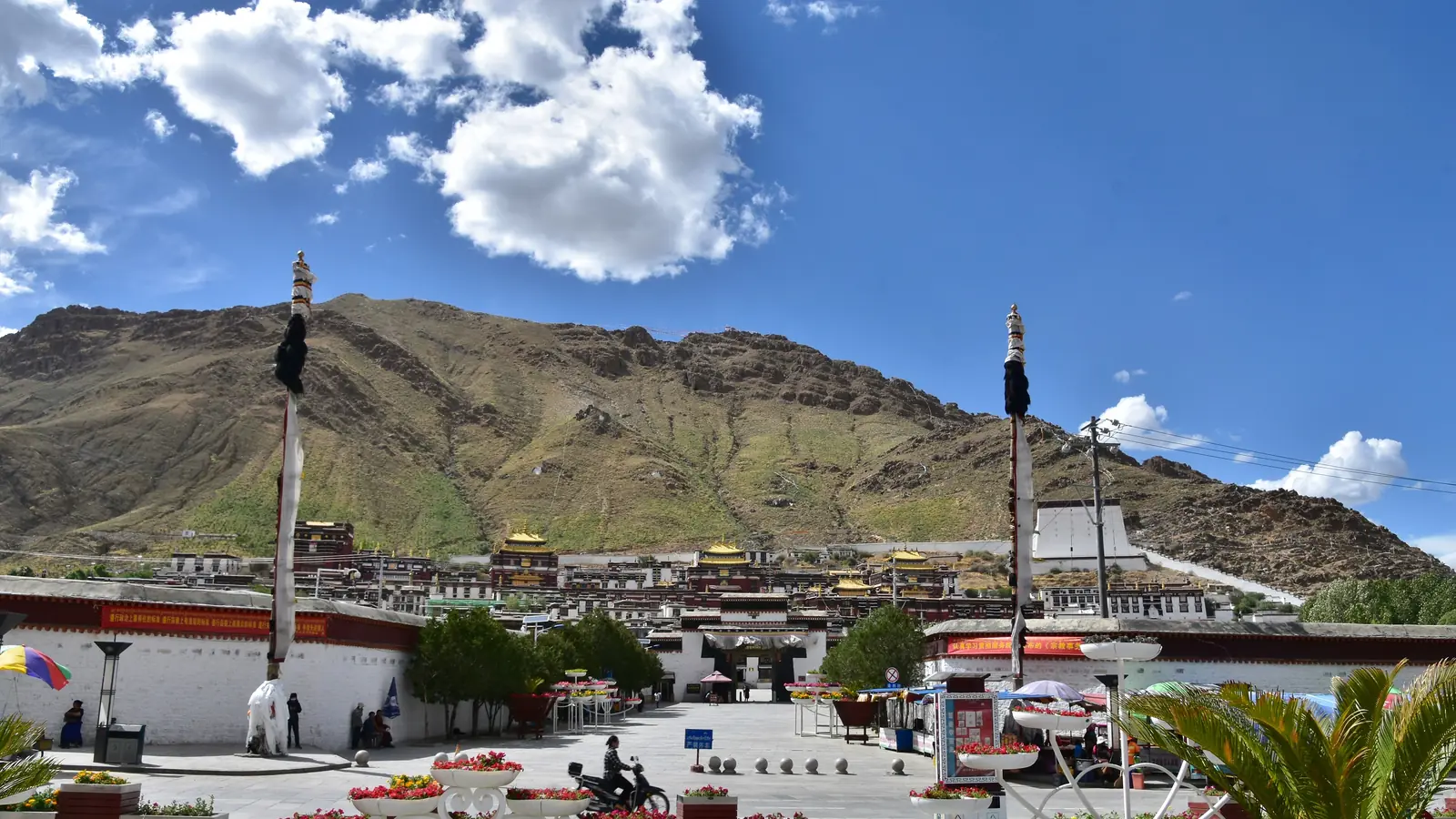
The overnight base sits at roughly 3,800 metres and functions as Tibet’s second city, an important monastic centre and the last substantial service base on many routes toward the north side of Everest. Tashilhunpo Monastery and its pilgrimage circuit give the stay cultural substance beyond its logistical role.
The strongest first route moves from Lhasa to Yamdrok, continues through Gyantse, then sleeps in the urban base. That sequence adds elevation in steps and avoids treating every sacred lake and monastery as a roadside stop. Spend a full the metropolitan area day or at least an unhurried half-day before moving higher.
Everest Base Camp accommodation and passes rise far above the local area. Stable symptoms in Lhasa do not guarantee comfort later. Travellers with relevant cardiovascular, respiratory, pregnancy, anaemia or prior altitude issues need medical advice, while anyone with worsening symptoms should stop ascent rather than protect a booked schedule.
A measured route protects the main reason for coming without pretending weather can be controlled. Reach the local hub only after several Lhasa nights, ideally travelling through Yamdrok and Gyantse. Use the city for Tashilhunpo, rest and logistics before deciding whether the group is ready for the much higher Everest road. Current conditions can change the order, but they should not change the day’s central purpose.
Local planning detail 1 — Tashilhunpo Monastery: Explore major halls and the active pilgrimage circuit respectfully, allowing for stairs, closures and worship periods. the city centre: Best for restaurants, vehicle access and a practical overnight before or after the western road. Lhasa: Acclimatize and complete the central cultural foundation before travelling west. A measured route protects the main reason for coming without pretending weather can be controlled. Current conditions can change the order, but they should not change the day’s central purpose.
Local planning detail 2 — the city old quarter: Walk selected streets around the monastery for market and neighbourhood context without expecting a staged old-town district. Near Tashilhunpo: Useful for an early monastery visit and pilgrimage atmosphere, with the exact walking gradient checked. Tibet: Compare central Tibet with Everest and northern routes before committing. A measured route protects the main reason for coming without pretending weather can be controlled. Current conditions can change the order, but they should not change the day’s central purpose.
Local planning detail 3 — Dzong viewpoint: Use the fortress area or an appropriate viewpoint to understand the valley setting, only if the climb suits acclimatization. Modern east-side districts: Larger rooms and vehicle logistics may be easier, though the old quarter requires a transfer. Nagqu: A separate high northern extension with longer roads and more limited services. A measured route protects the main reason for coming without pretending weather can be controlled. Current conditions can change the order, but they should not change the day’s central purpose.
Local planning detail 4 — Gyantse en route: Give Pelkor Chode and the Kumbum their own visiting time on the Lhasa road instead of reducing Gyantse to lunch. Everest-route guesthouses: These are not this part of China substitutes: standards are basic, altitude far higher and operations seasonal. Lhasa: Acclimatize and complete the central cultural foundation before travelling west. A measured route protects the main reason for coming without pretending weather can be controlled. Current conditions can change the order, but they should not change the day’s central purpose.
Local planning detail 5 — Yamdrok Lake route: Cross the pass after Lhasa acclimatization, protecting warm layers and timing while obeying current stopping controls. the city centre: Best for restaurants, vehicle access and a practical overnight before or after the western road. Tibet: Compare central Tibet with Everest and northern routes before committing. A measured route protects the main reason for coming without pretending weather can be controlled. Current conditions can change the order, but they should not change the day’s central purpose.
Six distinct experiences
Best things to do here without rushing
Tashilhunpo Monastery
Explore major halls and the active pilgrimage circuit respectfully, allowing for stairs, closures and worship periods.
Shigatse old quarter
Walk selected streets around the monastery for market and neighbourhood context without expecting a staged old-town district.
Dzong viewpoint
Use the fortress area or an appropriate viewpoint to understand the valley setting, only if the climb suits acclimatization.
Gyantse en route
Give Pelkor Chode and the Kumbum their own visiting time on the Lhasa road instead of reducing Gyantse to lunch.
Yamdrok Lake route
Cross the pass after Lhasa acclimatization, protecting warm layers and timing while obeying current stopping controls.
Everest preparation
Check permits, weather, original documents, oxygen arrangements, warm clothing and symptom thresholds before departure.
Choose depth before adding stops
How many days do you need at a comfortable pace?
1 night: overland stop
Arrive via Gyantse, visit Tashilhunpo according to hours and sleep before continuing. This is efficient but offers little recovery time.
2 nights: recommended Shigatse
Use one full day for the monastery, old quarter and rest. Two nights reveal whether the body is stable before a higher road.
3 nights or route buffer
Add a nearby cultural visit or hold a flexible day when weather and health matter more than maintaining an exact Everest date.
Weather, crowds and operating conditions
Best time to visit
Road journeys are most workable from late spring through mid-autumn. Summer days are gentler but rain reaches the plateau; autumn tends to be clearer and colder. Winter stays arid, quiet and severe after dark, demanding fresh route and lodging checks.
| Months | Typical conditions | Crowds | Planning note |
|---|---|---|---|
| April–June | Cool, mostly arid, with frigid passes | Moderate to busy | Watch wind and rapid elevation gain |
| July–August | Gentler temperatures with plateau showers | Busy | Road and mountain visibility can change |
| September–October | Clearer and increasingly cold | Busy | Carry full winter layers for Everest |
| November–March | Arid, cold and lightly visited | Limited | Verify route access and room heating |
Road journeys are most workable from late spring through mid-autumn. Summer days are gentler but rain reaches the plateau; autumn tends to be clearer and colder. Winter stays arid, quiet and severe after dark, demanding fresh route and lodging checks. Everest Base Camp accommodation and passes rise far.
Choose the useful base first
Where to stay
Central Shigatse
Best for restaurants, vehicle access and a practical overnight before or after the western road.
Near Tashilhunpo
Useful for an early monastery visit and pilgrimage atmosphere, with the exact walking gradient checked.
Modern east-side districts
Larger rooms and vehicle logistics may be easier, though the old quarter requires a transfer.
Everest-route guesthouses
These are not this destination substitutes: standards are basic, altitude far higher and operations seasonal.
the city centre: Best for restaurants, vehicle access and a practical overnight before or after the western road. Near Tashilhunpo: Useful for an early monastery visit and pilgrimage atmosphere, with the exact walking gradient checked.
Gateways, transfers and local movement
Getting there and around
From Lhasa by road
Use the Yamdrok–Gyantse sequence for a culturally rich gradual route, accompanied by the approved guide and designated car.
From Lhasa by rail
Rail shortens travel but omits the lake and Gyantse. It can suit a return leg or travellers who need less road time.
Toward Everest
Additional permits, checkpoints, long driving and high nights apply. Depart only when documents and health are stable.
Local movement
A vehicle connects spread-out logistics; central monastery and neighbourhood sections still require measured walking at altitude.
The strongest first route moves from Lhasa to Yamdrok, continues through Gyantse, then sleeps in the destination itself. That sequence adds elevation in steps and avoids treating every sacred lake and monastery as a roadside stop. Spend a full the city day or at least an unhurried half-day.
Everest Base Camp accommodation and passes rise far above this part of China. Stable symptoms in Lhasa do not guarantee comfort later. Travellers with relevant cardiovascular, respiratory, pregnancy, anaemia or prior altitude issues need medical advice, while anyone with worsening symptoms should stop ascent rather than protect a.
Direct planning answers
Shigatse FAQ
How much Lhasa acclimatization should precede the surrounding area?
Most first-time visitors use three or four stable nights in the capital, then approach through Yamdrok and Gyantse when the road itinerary permits.
Do I need a separate permit for the wider region?
Travel falls within the authorized Tibet itinerary, and some onward areas require additional permissions. The operator confirms the exact document set.
Is the overnight base high enough for altitude sickness?
Yes. At roughly 3,800 metres, symptoms can occur or worsen. Keep the schedule light and report changes immediately.
How long should the urban base remain in the itinerary?
Two nights provides a meaningful monastery day and health observation before a higher extension.
Can I decide about Everest after arriving?
Operationally it may be difficult because permits and services are arranged in advance, but health must override the plan. Discuss conditional alternatives before booking.
Who should not continue to Everest?
Anyone with worsening altitude symptoms or medical advice against higher travel should not ascend. Relevant chronic conditions require pre-trip clinical guidance.
Routes with visible scope
Itineraries that fit this destination
The strongest first route moves from Lhasa to Yamdrok, continues through Gyantse, then sleeps in the local hub. That sequence adds elevation in steps and avoids treating every sacred lake.
 Shigatse Tours and Multi-Day RoutesThe strongest first route moves from Lhasa to Yamdrok, continues through Gyantse, then sleeps in the metropolitan area. That sequence adds elevation in steps and avoids.View route →
 Continue Through ChinaLhasa: Acclimatize and complete the central cultural foundation before travelling west. Tibet: Compare central Tibet with Everest and northern routes before committing.View route →
 Design a Private Shigatse JourneyEverest Base Camp accommodation and passes rise far above the local area. Stable symptoms in Lhasa do not guarantee comfort later. Travellers with relevant.View route →
Continue in a logical direction
Nearby destinations
The strongest first route moves from Lhasa to Yamdrok, continues through Gyantse, then sleeps in this destination. That sequence adds elevation in steps and avoids treating every sacred lake and monastery as a roadside stop. Spend a full the destination itself day or at least an unhurried half-day before moving higher. Lhasa: Acclimatize and complete the central cultural foundation before travelling west. Tibet: Compare central Tibet with Everest.