Tianjin Attractions
Tianjin is often overlooked by foreign travelers in a hurry to Beijing. However, Tianjin retains features of its colonial past in the concession-era buildings which makes it a worthwhile stopping place for a few days.
Tianjin’s attractions are mainly based on humanities. The surviving more than 100 European-style ancient buildings in the various concessions of Five Avenues and the Tianjin Old Town Square around the Ancient Culture Street are the essence of the city. These buildings of different styles and scattered in the city have given Tianjin the title of "Museum of Architecture of All Nations". Tianjin’s landmarks such as the Eye of Tianjin, Jinwan Square, and Century Clock are all located along the Haihe River, making it convenient for tourists to travel on a single trip.
Although there are not many scenic spots in the suburbs of Tianjin, they are quite classic. Binhai New Area is the estuary of the Haihe River. With Tanggu as the center, there are scenic spots close to the sea such as Aircraft Carrier Park, Haihe Bund Park and Dongjiang Bay. Tourists can also take a boat to enjoy the view of the bay. Jixian County has become a favorite scenic spot for the citizens of "Beijing and Tianjin" with the perfect combination of rich historical sites and natural scenery.
About Tianjin attractions
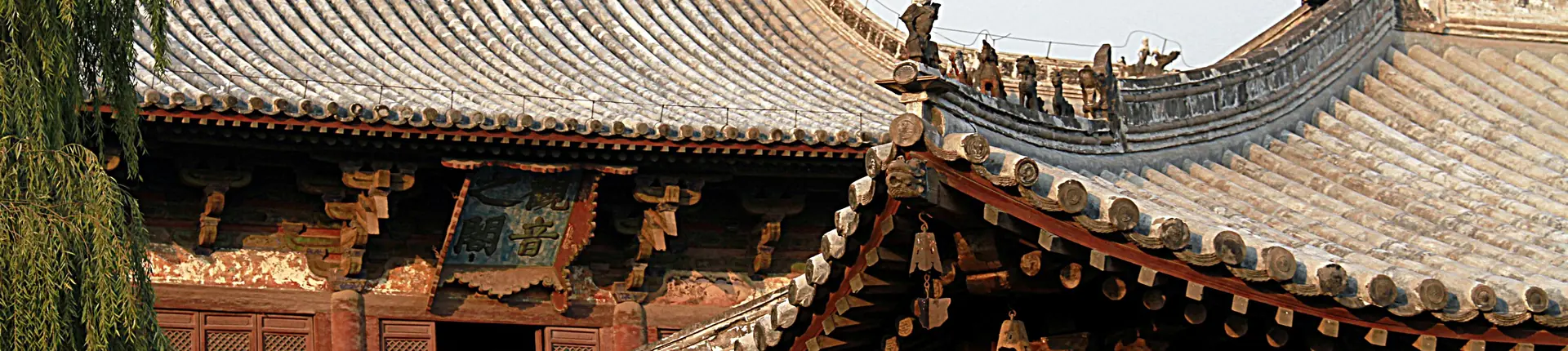
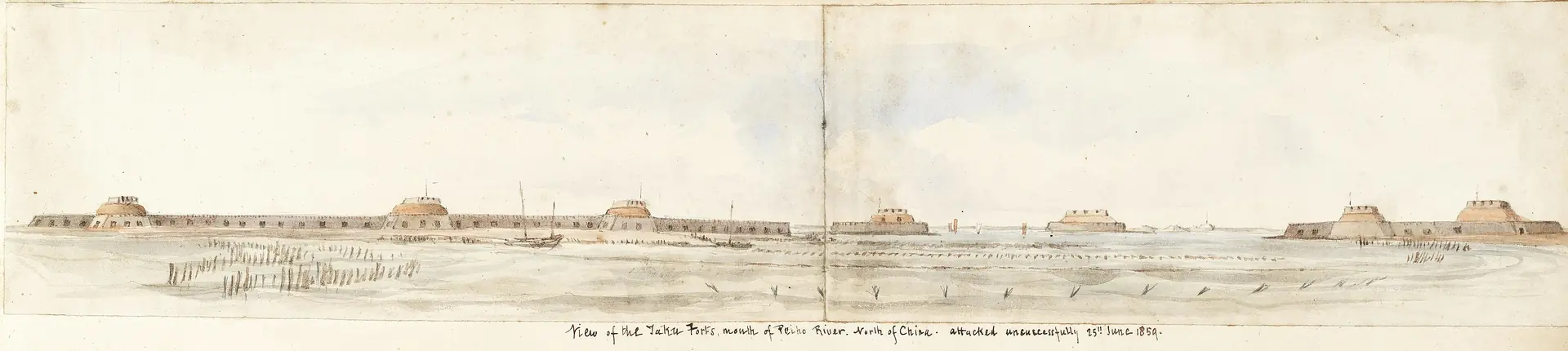
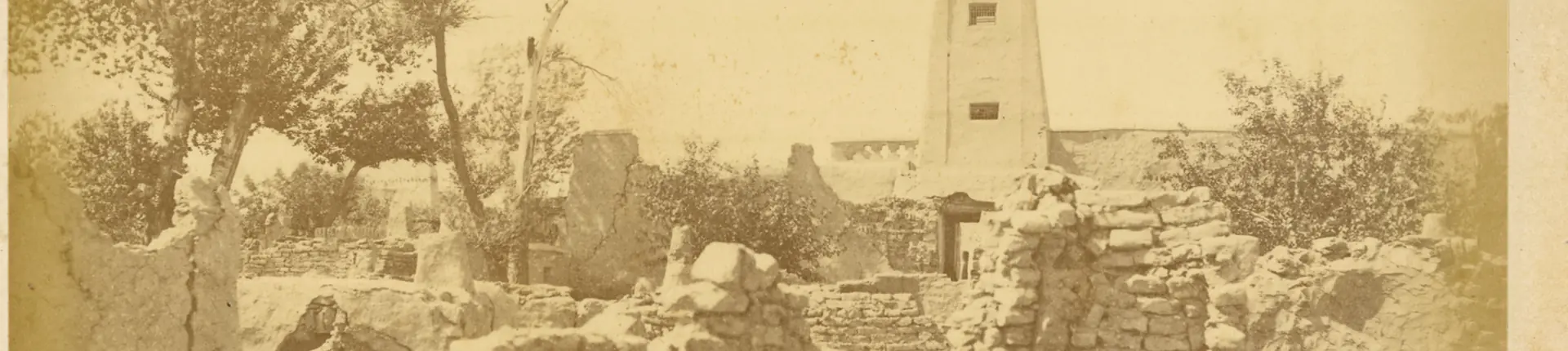
The 6 cards on this Tianjin page cover Dule Temple, Jingyuan Garden, Dagu Fort, the Great Mosque, the old city and Ancient Culture Street. Urban heritage accounts for part of the list, while Dule and Dagu require a broader municipal-area journey. Ancient Culture Street should be compared with the city walking chapter, not placed beside a farther excursion without transport time. The collection is most useful when you separate those two scales.
With 1–2 days, choose a compact street-and-interior sequence around your interests. A 3-day stay can give one outward heritage visit its own day rather than shortening all the city stops. Travellers who prefer regular rests can select shorter urban walks and one historical interior, while a fort or temple outing may still need considerable standing and road time. On a day trip from Beijing, use the actual station arrival to set the first appointment and retain a clear return margin.
Outdoor streets and exposed heritage areas feel different in summer heat or winter wind. Check the opening day and last admission of the specific interior you want to see, even if the neighbourhood around it is freely accessible. Religious sites have visiting rules that should be respected independently of a sightseeing timetable. For a farther card, confirm the entrance and return pickup before leaving the city. A general Tianjin address does not establish a short transfer from every railway station or hotel.
The Tianjin guide helps organise the city base. Use Tianjin Municipality for the wider destination chapter, or North China to place it beside Beijing and the Wall. If a capital-city visit is next, compare Beijing attractions. Let the urban or outward heritage interest determine the day before adding another transfer.