
Character, context and route logic
Why visit this destination, and what deserves priority?
The local hub developed as Beijing’s port and a major treaty-port city, producing a distinctive collection of European-influenced streets, Chinese commercial heritage, river infrastructure and modern municipal culture. Its interest lies in how those layers coexist rather than in one defining monument.
A day trip should focus on the central Hai River, selected concession-era districts and one cultural or food theme. Two days allows the Five Great Avenues, Italian-style district, museums and older commercial streets to be separated, with less time lost moving back to Beijing for the evening.
The city has multiple rail stations. Most fast Beijing services use the wider region or this destination West, but tickets must be read exactly. Some heritage districts contain restaurants and new commercial uses rather than intact interiors; describe what is visible honestly and avoid implying unrestricted access to private buildings.
This is a place where one deeper explanation usually adds more than a second hurried landmark. Use the overnight base as a one- or two-night complement to Beijing: walk the Hai River and selected former concession streets, study the city’s port-era architecture, then explore northern food without turning every historic building into a drive-by stop. The route should identify where comfort can be improved and where the landscape or monument still imposes real limits.
Local planning detail 1 — Five Great Avenues: Walk a curated route through residential architecture and urban history, recognizing that many buildings have changing private or institutional uses. Heping district: Best for first-time access to concession-era streets, central dining and metro connections. Beijing: Frequent high-speed trains link the port city with imperial landmarks and the Great Wall. This is a place where one deeper explanation usually adds more than a second hurried landmark. The route should identify where comfort can be improved and where the landscape or monument still imposes real limits.
Local planning detail 2 — Hai River waterfront: Use bridges, former financial streets and changing skylines to explain the port city’s growth, preferably across daylight and early evening. Hai River central corridor: Choose for water views and evening walking, checking the nearest bridge and station access. Nanjing: Continue south on the rail network for Ming and republican history. This is a place where one deeper explanation usually adds more than a second hurried landmark. The route should identify where comfort can be improved and where the landscape or monument still imposes real limits.
Local planning detail 3 — Italian-style district: Visit for street pattern and adaptive reuse with realistic expectations about commercialisation and interior access. The urban base station area: Convenient for a short Beijing pairing, though immediate station blocks offer less neighbourhood atmosphere. Shanghai: Use the coastal high-speed corridor for a second treaty-port story on a much larger scale. This is a place where one deeper explanation usually adds more than a second hurried landmark. The route should identify where comfort can be improved and where the landscape or monument still imposes real limits.
Local planning detail 4 — the city Museum: Choose municipal history or art galleries that give context to the streets rather than treating the museum as a weather-only fallback. Binhai: Suitable only when port, business or a specific modern attraction is the purpose; it is far from central heritage districts. Beijing: Frequent high-speed trains link the port city with imperial landmarks and the Great Wall. This is a place where one deeper explanation usually adds more than a second hurried landmark. The route should identify where comfort can be improved and where the landscape or monument still imposes real limits.
Six distinct experiences
Best things to do here without rushing
Five Great Avenues
Walk a curated route through residential architecture and urban history, recognizing that many buildings have changing private or institutional uses.
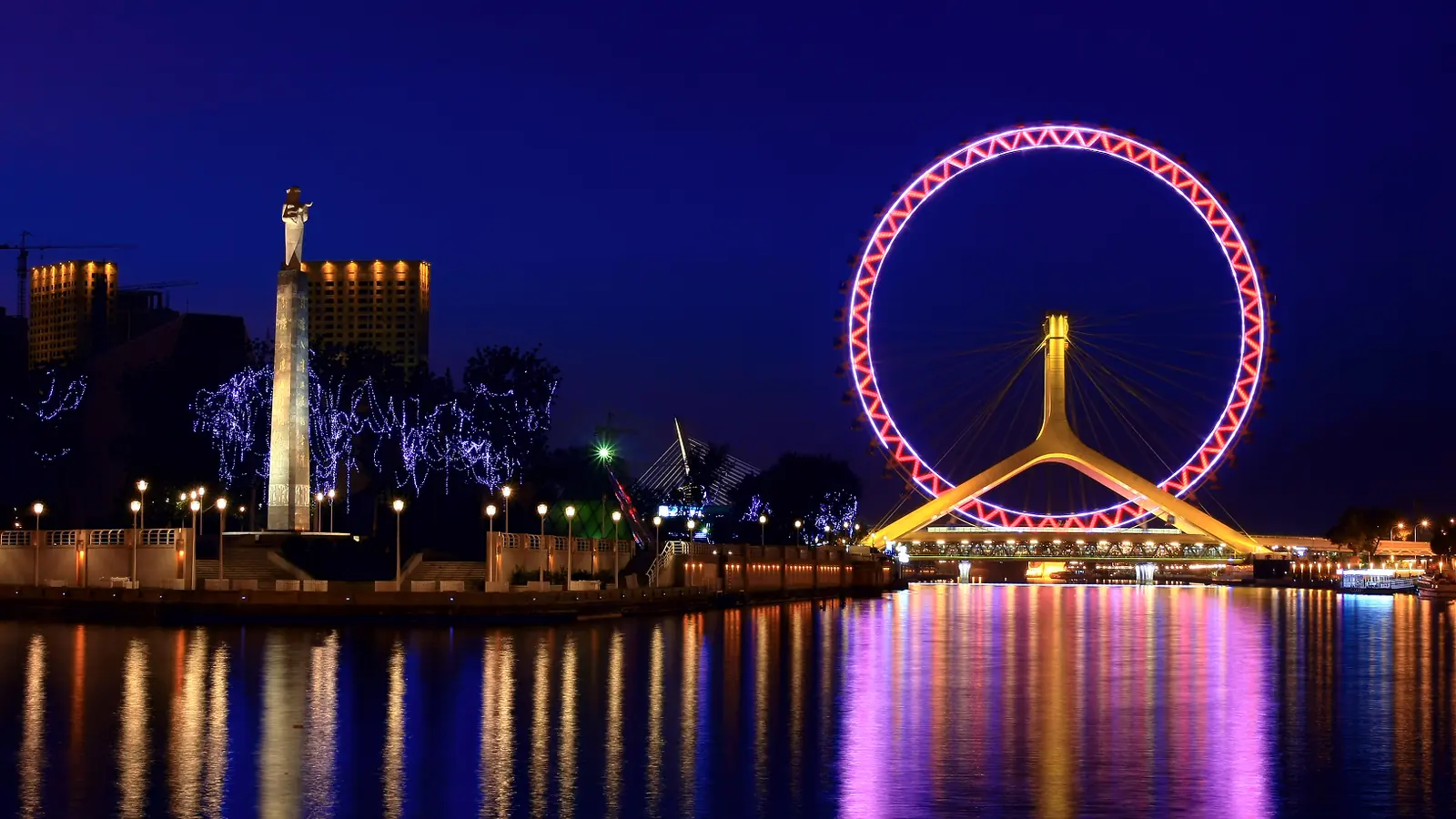
Hai River waterfront
Use bridges, former financial streets and changing skylines to explain the port city’s growth, preferably across daylight and early evening.
Italian-style district
Visit for street pattern and adaptive reuse with realistic expectations about commercialisation and interior access.
Tianjin Museum
Choose municipal history or art galleries that give context to the streets rather than treating the museum as a weather-only fallback.
Ancient Culture Street area
Look beyond souvenir shops toward folk art, temple history and traditional crafts, avoiding purchases presented as compulsory demonstrations.
Tianjin food traditions
Sample selected baozi, pancakes, twists and regional dishes with ingredient guidance instead of building the day around one famous brand queue.
Choose depth before adding stops
How many days do you need at a comfortable pace?
1 day: Beijing rail excursion
Arrive centrally, follow one architectural and river route, add a museum or food focus, and return without crossing to remote districts.
2 days: complete city break
Separate concession-era walking from old commercial the destination itself and use the river at a relaxed pace. An overnight improves evening atmosphere.
3 days: specialist extension
Add port history, deeper museums or a carefully chosen outer district, not simply another day of similar façades.
Weather, crowds and operating conditions
Best time to visit
April to May and September to October offer the easiest walking. Summer is hot and humid with rain; winter is cold, dry and windy. Riverfront exposure makes temperature and wind feel stronger than sheltered streets.
| Months | Typical conditions | Crowds | Planning note |
|---|---|---|---|
| March–May | Dry to mild with spring wind | Medium | Carry a layer along the river |
| June–August | Hot, humid and rainy | High | Plan shaded or indoor midday time |
| September–October | Comfortable and often clear | High | Book rail around holidays |
| November–February | Cold, dry and windy | Low | Use warm footwear for waterfront walks |
April to May and September to October offer the easiest walking. Summer is hot and humid with rain; winter is cold, dry and windy. Riverfront exposure makes temperature and wind feel stronger than sheltered streets. The city has multiple rail stations. Most fast Beijing services use the urban base or.
Choose the useful base first
Where to stay
Heping district
Best for first-time access to concession-era streets, central dining and metro connections.
Hai River central corridor
Choose for water views and evening walking, checking the nearest bridge and station access.
Tianjin station area
Convenient for a short Beijing pairing, though immediate station blocks offer less neighbourhood atmosphere.
Binhai
Suitable only when port, business or a specific modern attraction is the purpose; it is far from central heritage districts.
Heping district: Best for first-time access to concession-era streets, central dining and metro connections. Hai River central corridor: Choose for water views and evening walking, checking the nearest bridge and station access.
Gateways, transfers and local movement
Getting there and around
From Beijing
High-speed trains are frequent and fast, but station-to-station time, security and metro transfers make the full journey longer than the timetable.
Rail stations
The city, the metropolitan area West and this part of China South serve different corridors. Never arrange pickup from the city name alone.
City travel
Metro and walking work for central clusters; taxis bridge distant districts. Group architecture geographically.
Binhai connection
The coastal new area requires separate rail or road time and should not be added casually to a central day trip.
A day trip should focus on the central Hai River, selected concession-era districts and one cultural or food theme. Two days allows the Five Great Avenues, Italian-style district, museums and older commercial streets to be separated, with less time lost moving back to Beijing for.
The city has multiple rail stations. Most fast Beijing services use the local area or the surrounding area West, but tickets must be read exactly. Some heritage districts contain restaurants and new commercial uses rather than intact interiors; describe what is visible honestly and avoid implying unrestricted access to.
Direct planning answers
Tianjin FAQ
Is the local hub worth a day trip from Beijing?
Yes for architecture, river history and food, provided the day remains central and the exact rail stations are confirmed.
Should I stay overnight?
One night gives the Hai River after dark and a less compressed Five Great Avenues walk. It is worthwhile for architecture-focused travellers.
How many days do I need?
One focused day covers the central essentials; two days provides a fuller historical city break.
Which the wider region station should I use?
Use the station printed on the ticket. This destination station is central, while West and South may suit different services but require extra transfers.
Is the Italian-style district authentic?
Its street layout and surviving buildings reflect the former concession, but many spaces now serve commercial uses. Visit with urban-history context.
What food should I try?
Choose a small range of local breakfast items, steamed buns and snacks with ingredient advice; famous labels are not the only measure of quality.
Routes with visible scope
Itineraries that fit this destination
A day trip should focus on the central Hai River, selected concession-era districts and one cultural or food theme. Two days allows the Five Great Avenues, Italian-style district.
 Tianjin Tours and Multi-Day RoutesA day trip should focus on the central Hai River, selected concession-era districts and one cultural or food theme. Two days allows the Five.View route →
 Continue Through ChinaBeijing: Frequent high-speed trains link the port city with imperial landmarks and the Great Wall. Nanjing: Continue south on the rail network.View route →
 Design a Private Tianjin JourneyThe city has multiple rail stations. Most fast Beijing services use the overnight base or the destination itself West, but tickets must be read exactly. Some.View route →
Continue in a logical direction
Nearby destinations
A day trip should focus on the central Hai River, selected concession-era districts and one cultural or food theme. Two days allows the Five Great Avenues, Italian-style district, museums and older commercial streets to be separated, with less time lost moving back to Beijing for the evening. Beijing: Frequent high-speed trains link the port city with imperial landmarks and the Great Wall. Nanjing: Continue south.