Nanjing Attractions
The Yangtze River crosses the city of Nanjing, dividing the city into two regions, south of the Yangtze River and north of the Yangtze River. Nanjing's attractions are also distributed in these two regions.
The row upon row of high-rise buildings at the "Xinjiekou" in the city center echoes with the Ming City Wall Ruins, the Presidential Palace and other historical scenic spots, making the past history seem within reach. Stopping and looking in front of the Ming Xiaoling Mausoleum and Zhongshan Mausoleum, and the old days in Wuyi Lane and Laomen Dongqian are all fresh memories left by the years in Nanjing. Walking slowly along the Qinhuai River, Confucius Temple, where the city grew up, the old city of Nanjing can still be seen clearly, and the elderly can still be heard speaking a standard Nanjing dialect along the way.
Nanjing may not be filled with busy crowds and noisy streets like other cities. It is more of cultural heritage and historical imprints that have been deposited over thousands of years, allowing you to experience the civilization and baptism of a civilized ancient capital during the tour.
About Nanjing attractions
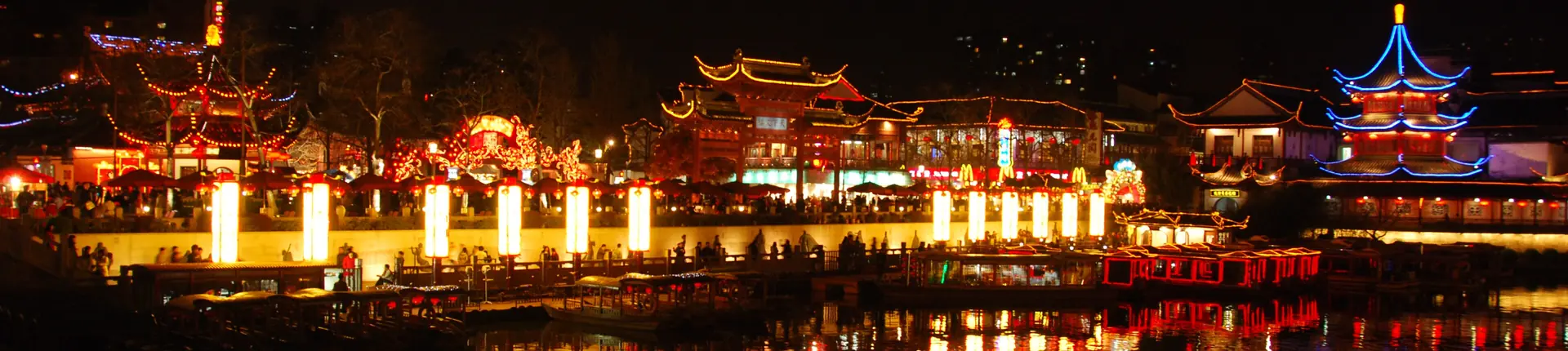
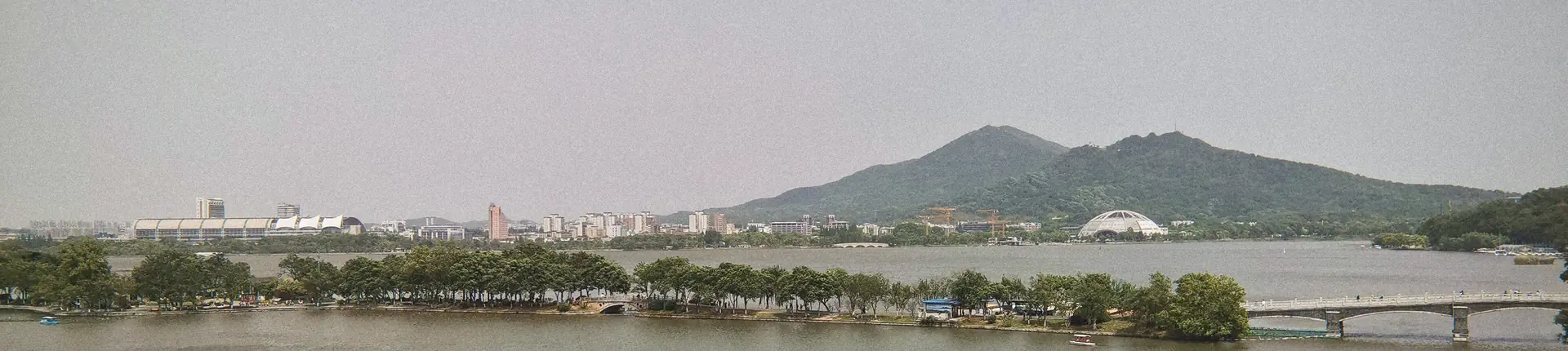
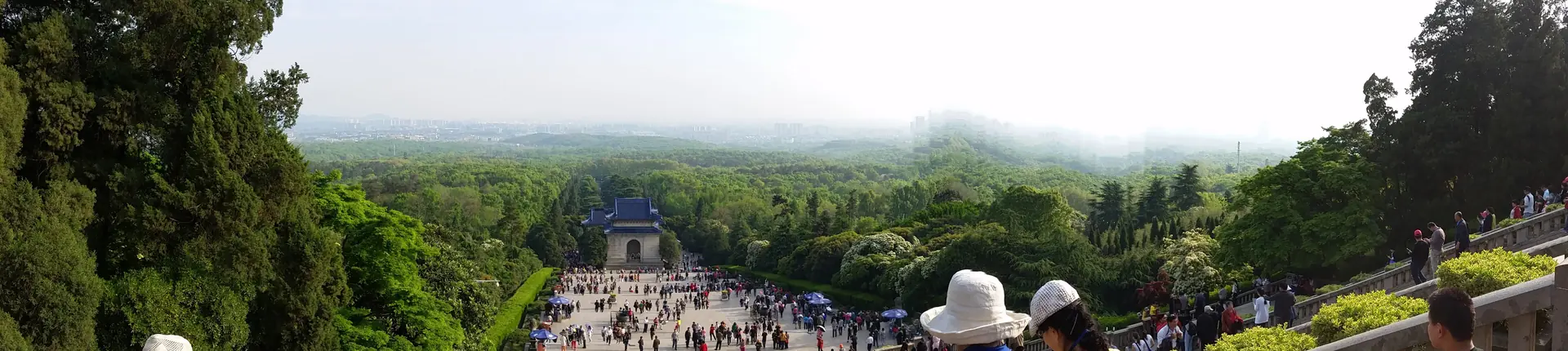
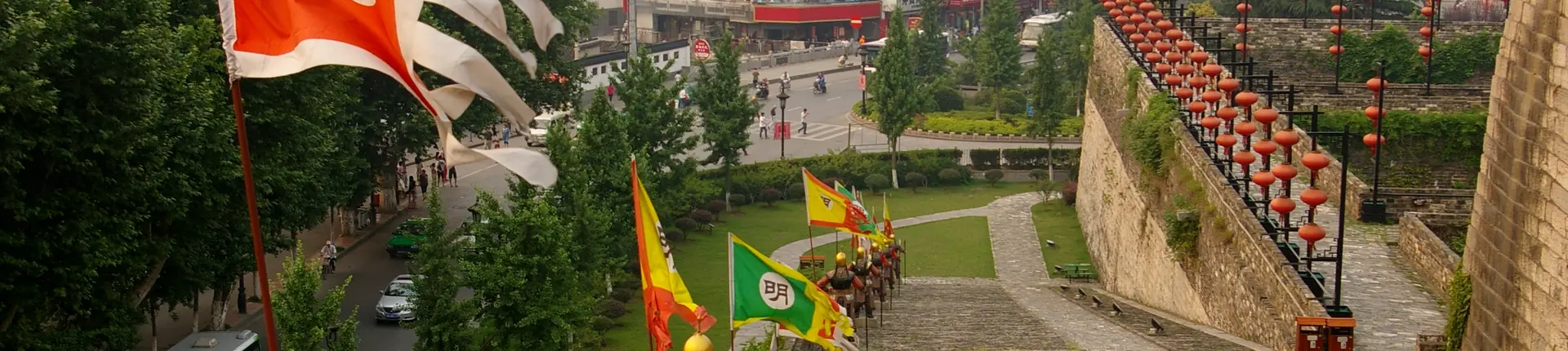
This Nanjing page contains 6 cards: Confucius Temple, Ming Xiaoling, Qinhuai River, Xuanwu Lake, Sun Yat-sen's mausoleum and Zhonghua Gate. They combine a southern historic-quarter setting, city-wall heritage, a lake and eastern hill-area visits. Qinhuai River and Confucius Temple can belong to a related city sequence, while the mausoleum area deserves its own geographic planning. Six cards do not require six separate cross-city journeys.
For 1–2 days, choose one heritage cluster and a shorter lake or neighbourhood visit. A 3–4-day stay gives more space to the hill-area sites without rushing their approaches. Travellers needing fewer steps may prefer a shorter riverside walk and selected grounds; mausoleum approaches and city-wall areas require a closer look at stairs and distances. History-focused visitors should allow time to understand the different periods rather than moving between monuments solely for photographs.
Spring and autumn offer useful walking conditions, while summer heat can make open grounds and steps more demanding. Verify the reservation requirements and opening arrangements for each named site before grouping them into a day. Access to surrounding parkland does not establish entry to every interior or memorial area. If considering a river boat, check the departure point and session separately from the pedestrian-area walk. Leave a clear return margin if your final activity is followed by a train from one of Nanjing's stations.
Use Nanjing's city guide to organise the base, then Jiangsu to compare a Suzhou garden or Wuxi lake chapter. The Ming Xiaoling guide supports the hill-area choice, while East China provides a broader route framework. Select the period or landscape that leads your visit, then build the walking sequence around it.