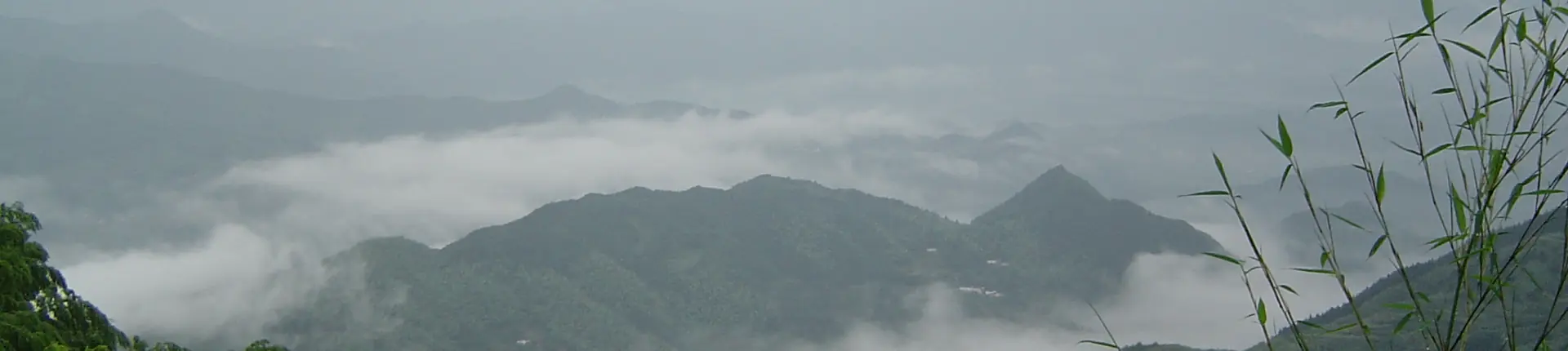
Huangshan attractions should be chosen as a mountain route with a clear approach, walking plan and descent. We recommend deciding whether the main experience is a day on the mountain, an overnight for another viewing opportunity or a lower level cultural chapter. The granite landscape described by UNESCO is the reason to slow down and look. It does not guarantee a sea of clouds, sunrise or access to every summit on the date of your visit.
Choosing this experience
Yellow Mountain, its cableways and the West Sea Grand Canyon belong to the same mountain-planning conversation, but they describe different parts of access and walking. Hongcun Village adds a separate village subject; decide how much of the visit belongs on the mountain before combining both settings.
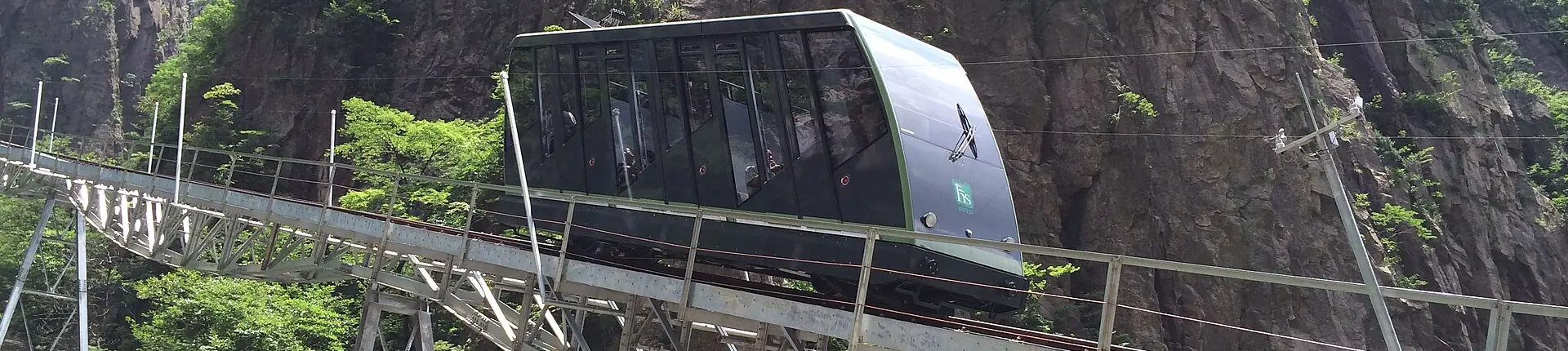
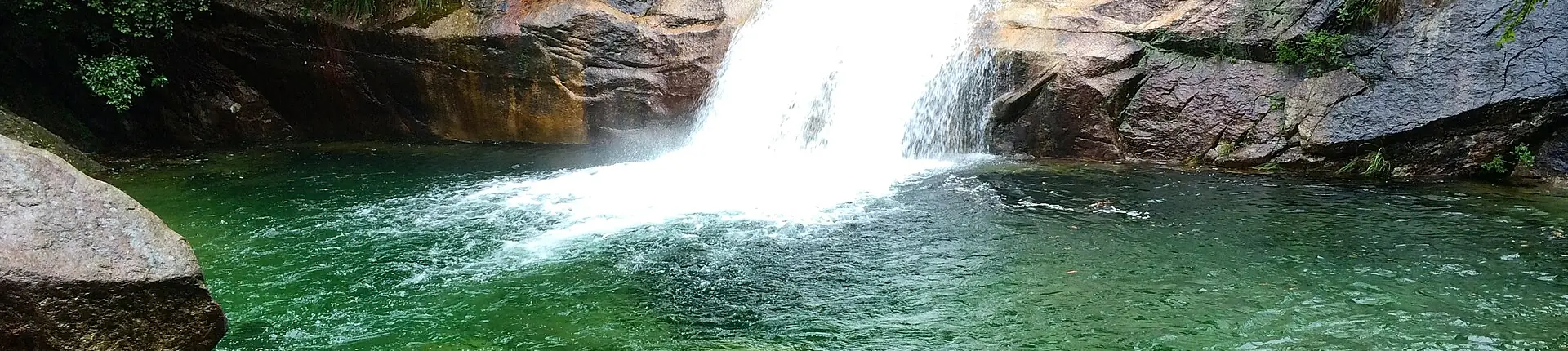
Use the cableway guide to consider the mountain approach rather than treating a lift ride as the entire Huangshan experience. A hot-spring stop and a Hongcun visit need their own place in the stay, particularly when a chosen mountain walk already defines the day’s physical commitment.
Mountain overview
Begin by deciding how much mountain walking the group wants. We would choose one manageable circuit and confirm its current open sections. A route map is more useful than a list of every peak name. Include the ascent, internal walking and descent in the effort discussion before reserving transport.
Lotus Flower Peak context
UNESCO identifies Lotus Flower Peak as the highest listed summit at 1,864 metres. That is geographic context, not an instruction to climb it. We would check current access and the group’s ability before selecting any summit route. A lower viewpoint can be the more rewarding choice when it allows a comfortable pace.
Granite viewpoints
Look for the way the rock forms change with position rather than hurry from one named photograph to another. We would give a chosen viewing area enough time and use nearby alternatives when cloud shifts. Stay within permitted paths. A viewpoint should have a clear return route before the group commits to the next climb.
Pine and rock details
The smaller relationship between trees, stone and the path can be rewarding when distant visibility is limited. We would use those details to give a cloudy day another purpose. Photography should leave room for other walkers. Do not step beyond a barrier to reproduce an image from a guide.
Mountain overnight
An overnight can provide another chance for light and a slower route, but the accommodation access and luggage arrangement must be clear. We would check the actual hotel location before promising a short dawn walk. A second opportunity improves flexibility; it does not guarantee a particular sky or weather event.
Cableway choices
Choose a cableway according to the confirmed route and current operator notice. We would keep its ticket and any other admission separate in the proposal. It changes part of the ascent or descent, while internal stairs may remain. Decide the return service and the shorter walking alternative before leaving the base.
A lower cultural chapter
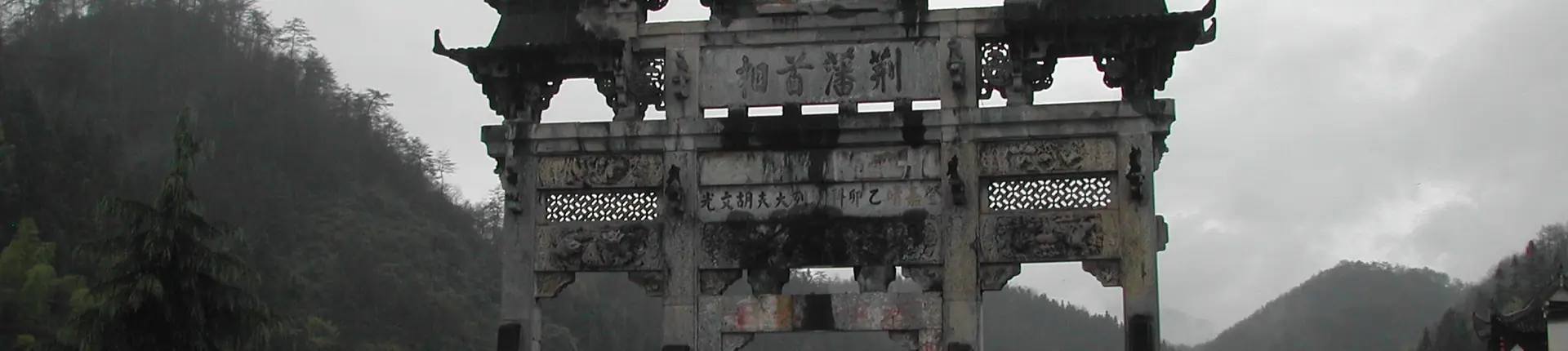
A selected village or historic street can complement the mountain when you have another day. We would choose one locality and verify its current visitor access, rather than add several distant places after the descent. Leave time for buildings and a meal. The transfer should serve the cultural outing instead of consuming most of it.
A rest and transfer chapter
After a demanding walk, a quieter meal, hotel pause or straightforward transfer can make the holiday feel better. We would not fill the remaining hours simply because the descent finishes early. Keep the onward train or flight deadline visible. If the group has energy, add a nearby optional walk rather than a fixed distant excursion.
A day plan we would actually recommend
For a short visit, we would protect the main mountain day and use arrival evening for preparation and rest. An overnight on the mountain can support another light window when the access and accommodation fit the group. For a longer stay, place a separate cultural chapter after a recovery period rather than combine every attraction with the ascent day. Check the mountain’s current route closures and the chosen cableway before confirming, especially in winter or strong weather. Tell us about difficulty with descents and prolonged stairs. The right itinerary should give the granite landscape time without asking everyone to complete the longest route on the map.
Check the individual outing before reserving
An attraction directory for Huangshan is a way to choose a route, rather than a combined admission product.
Choose fewer stops and leave room to look
For a first Huangshan visit, choose the experience that deserves the longest block and add a second chapter only when the transfer and walking remain comfortable.
Questions for your private itinerary
Before choosing the arrangement, ask which Huangshan hotel the day starts from, where the guide meets you and which tickets or vehicles are included.
Official facts for your planning
| Planning detail | Verified information |
|---|---|
| World Heritage date | Mount Huangshan was inscribed in 1990. Official source |
| Highest listed peak | UNESCO gives Lotus Flower Peak an elevation of 1,864 metres. Official source |
| Property area | The World Heritage record gives 16,060 hectares. Official source |
| Buffer area | The record gives a 49,000 hectare buffer zone. Official source |
| High peaks | UNESCO identifies 77 peaks exceeding 1,000 metres. Official source |
| Rock setting | The official description identifies the main peaks as granitic. Official source |