
Character, context and route logic
Why visit this destination, and what deserves priority?
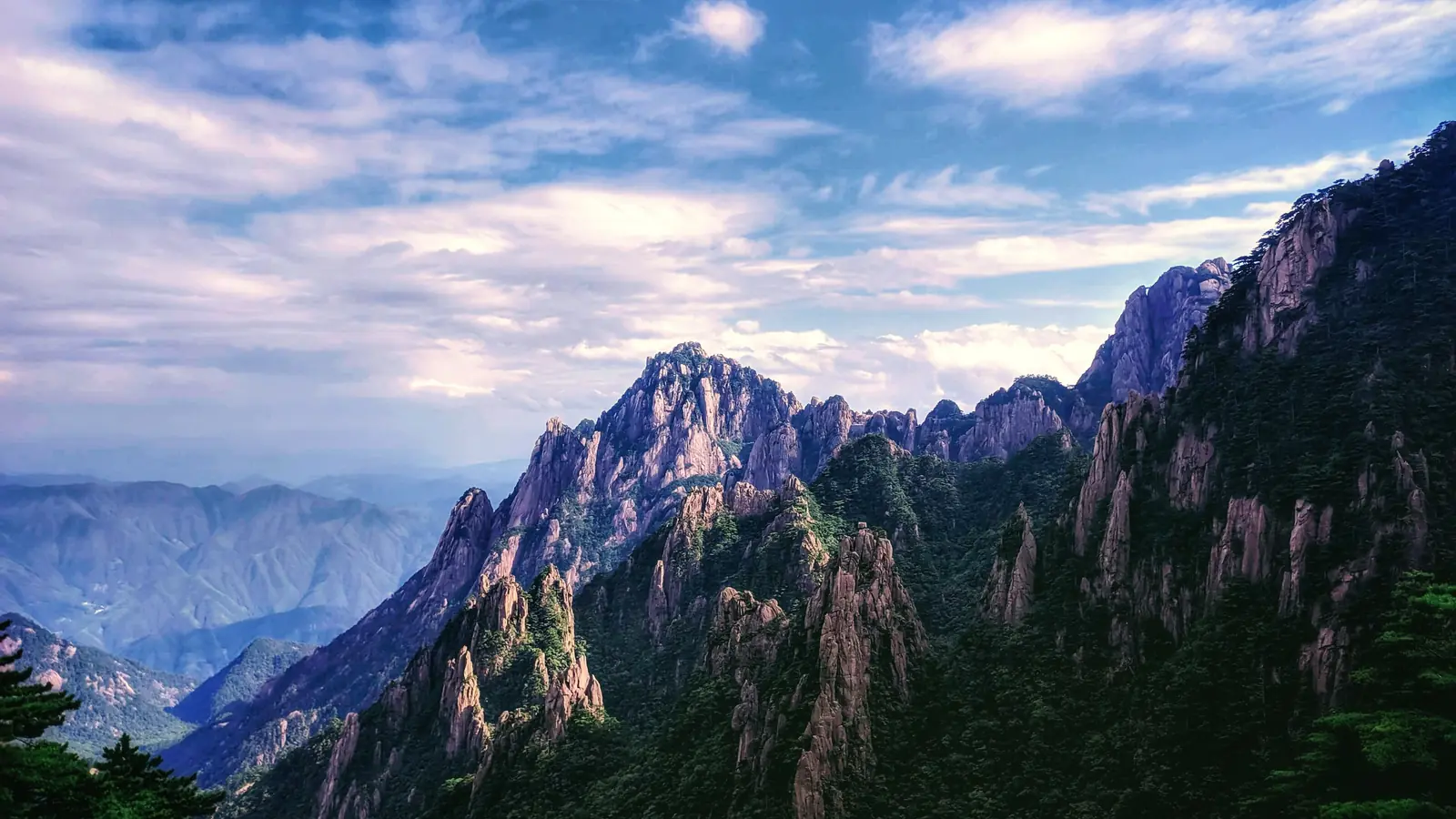
The local hub is both a mountain and a wider cultural region. The granite peaks, sculpted pines and shifting cloud belong to the Yellow Mountain scenic area, while Hongcun, Xidi and Tunxi preserve different aspects of Huizhou settlement, merchant history, architecture and food.
A summit night protects late and early light and reduces one cableway round trip, but rooms are limited, weather remains unpredictable and luggage must be managed. A gate-area base offers better value and simpler bags for a day ascent. Tunxi is the transport base; it is not beside the mountain entrance.
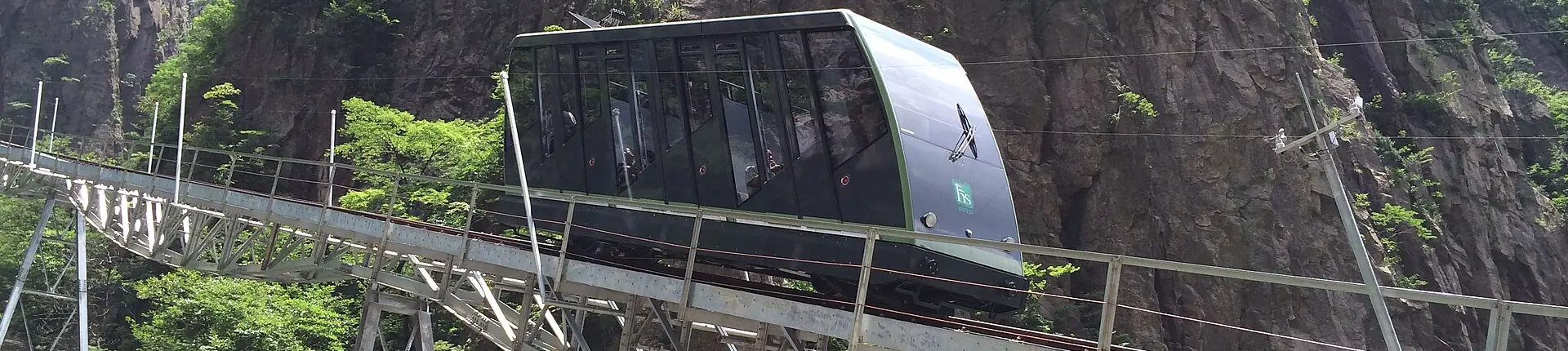
Cableways remove major elevation but not steep stone paths, queues or exposed weather. Plan a route between specific cableway stations, carry only what is needed, and avoid promising sunrise. Heavy rain, ice, maintenance and crowd control can change access with little notice.
The itinerary works best when every day has one clear purpose and one optional element. Separate the Yellow Mountain ascent from Hongcun, Xidi and Tunxi. Stay on the summit only when dawn, dusk and a high room price justify carrying an overnight bag; otherwise use a mountain-gate hotel and descend the same day. That small amount of margin is especially valuable when queues, security or internal shuttles are involved.
Local planning detail 1 — Yellow Mountain day route: Link one ascent cableway, selected granite viewpoints and a logical descent, matching stone steps to the group’s knees and endurance. Mountain summit: Best for dawn, dusk and fewer transfer hours, but expensive, simple in places and reached on foot after the cableway. Hangzhou: Continue east for West Lake, Lingyin and tea hills. The itinerary works best when every day has one clear purpose and one optional element. That small amount of margin is especially valuable when queues, security or internal shuttles are involved.
Local planning detail 2 — Summit overnight: Stay high only for a serious dawn-and-dusk priority, reserving early and packing a small bag because room access still involves walking. Tangkou or south gate: Efficient for an early ascent and same-day descent, with easier luggage and dining than a summit night. Shanghai: High-speed rail leads to the Bund and international flights. The itinerary works best when every day has one clear purpose and one optional element. That small amount of margin is especially valuable when queues, security or internal shuttles are involved.
Local planning detail 3 — Hongcun village: Read water systems, ancestral architecture and village life beyond the famous reflecting pond, arriving before the busiest coach period. Tunxi central area: Useful for high-speed rail, airport and old-street time, roughly a separate road transfer from the mountain. Nanjing: Add republican history, major museums and Ming heritage on the east-China rail network. The itinerary works best when every day has one clear purpose and one optional element. That small amount of margin is especially valuable when queues, security or internal shuttles are involved.
Local planning detail 4 — Xidi village: Use its street plan, gateways and residences as a complementary Huizhou story rather than a duplicate of Hongcun. Hongcun or Huizhou village: Choose for quiet early and late village hours, accepting limited evening choices and additional transfers. Hangzhou: Continue east for West Lake, Lingyin and tea hills. The itinerary works best when every day has one clear purpose and one optional element. That small amount of margin is especially valuable when queues, security or internal shuttles are involved.
Six distinct experiences
Best things to do here without rushing
Yellow Mountain day route
Link one ascent cableway, selected granite viewpoints and a logical descent, matching stone steps to the group’s knees and endurance.
Summit overnight
Stay high only for a serious dawn-and-dusk priority, reserving early and packing a small bag because room access still involves walking.
Hongcun village
Read water systems, ancestral architecture and village life beyond the famous reflecting pond, arriving before the busiest coach period.
Xidi village
Use its street plan, gateways and residences as a complementary Huizhou story rather than a duplicate of Hongcun.
Tunxi Old Street
Explore merchant history, regional food and nearby lanes during an arrival or departure period, without mistaking shops for the whole city.
Huizhou craft and tea
Add a focused workshop, museum or tea context when it fits the route, choosing substance over a generic sales demonstration.
Choose depth before adding stops
How many days do you need at a comfortable pace?
2 days: mountain focus
Arrive near the gate, complete one full mountain day and depart. This version leaves no weather reserve and little regional culture.
3 days: mountain plus village
Use one Yellow Mountain day, one Hongcun or Xidi day and one transport-linked Tunxi period. It is the practical minimum.
4 days: summit or weather flexibility
Add a summit night, a second village or a movable buffer. Four days gives cloud and rain less power over the entire journey.
Weather, crowds and operating conditions
Best time to visit
Spring brings blossoms, cloud and rain; autumn is popular for comfortable hiking and colour. Summer is green, wet and busy. Winter can provide snow and clearer air, but ice, cold and maintenance affect paths and cableways.
| Months | Typical conditions | Crowds | Planning note |
|---|---|---|---|
| March–May | Cool to mild, wet and changeable | High | Carry waterproofs and expect cloud |
| June–August | Warm below, cooler high, with heavy rain | Very high | Start early and protect against storms |
| September–November | Crisp, popular and often clearer | Very high | Reserve summit rooms and transport early |
| December–February | Cold with possible snow and ice | Low to medium | Confirm cableway and trail openings |
Spring brings blossoms, cloud and rain; autumn is popular for comfortable hiking and colour. Summer is green, wet and busy. Winter can provide snow and clearer air, but ice, cold and maintenance affect paths and cableways. Cableways remove major elevation but not steep stone paths, queues or exposed.
Choose the useful base first
Where to stay
Mountain summit
Best for dawn, dusk and fewer transfer hours, but expensive, simple in places and reached on foot after the cableway.
Tangkou or south gate
Efficient for an early ascent and same-day descent, with easier luggage and dining than a summit night.
Tunxi central area
Useful for high-speed rail, airport and old-street time, roughly a separate road transfer from the mountain.
Hongcun or Huizhou village
Choose for quiet early and late village hours, accepting limited evening choices and additional transfers.
Mountain summit: Best for dawn, dusk and fewer transfer hours, but expensive, simple in places and reached on foot after the cableway. Tangkou or south gate: Efficient for an early ascent and same-day descent, with easier luggage and dining than a summit night.
Gateways, transfers and local movement
Getting there and around
High-speed rail
The local area North is the main rail gateway. It is not at the mountain gate, so connect by bus or confirmed vehicle.
Mountain transfer
Tangkou and scenic-area shuttle points organize access to cableway stations. Private vehicles cannot continue through every internal sector.
Village route
Hongcun and Xidi sit on road circuits outside Tunxi. Combine them deliberately rather than adding both after a long mountain descent.
Luggage
Use hotel storage or transfer and carry a small summit bag. Large cases are impractical on stone steps and crowded cableways.
A summit night protects late and early light and reduces one cableway round trip, but rooms are limited, weather remains unpredictable and luggage must be managed. A gate-area base offers better value and simpler bags for a day ascent. Tunxi is the transport base; it.
Cableways remove major elevation but not steep stone paths, queues or exposed weather. Plan a route between specific cableway stations, carry only what is needed, and avoid promising sunrise. Heavy rain, ice, maintenance and crowd control can change access with little notice.
Direct planning answers
Huangshan FAQ
Should I stay on Yellow Mountain?
Stay one night if sunrise, sunset and a slower summit route justify the cost and walking with a small bag. Otherwise sleep near the gate.
Can I see sunrise on the metropolitan area?
You can position for it, but cloud and rain make sunrise impossible to guarantee. Treat any clear dawn as a bonus.
How many days do I need in the urban base?
Three days covers one mountain day and one village focus; four gives a summit night or weather margin.
Are cableways enough for limited mobility?
They remove substantial climbing but not queues, steep stone sections or walks between viewpoints and hotels. Assess the exact route.
Hongcun or Xidi: which should I choose?
Hongcun is more immediately scenic and busier; Xidi offers a strong street-and-residence story. Choose one if time is tight.
Can the overnight base be a day trip from Shanghai?
Rail makes a rushed out-and-back theoretically possible, but transfers and mountain operations leave too little resilience. Stay at least two nights.
Routes with visible scope
Itineraries that fit this destination
A summit night protects late and early light and reduces one cableway round trip, but rooms are limited, weather remains unpredictable and luggage must be managed. A gate-area.
 Huangshan Tours and Multi-Day RoutesA summit night protects late and early light and reduces one cableway round trip, but rooms are limited, weather remains unpredictable and luggage must.View route →
 Continue Through ChinaHangzhou: Continue east for West Lake, Lingyin and tea hills. Shanghai: High-speed rail leads to the Bund and international flights.View route →
 Design a Private Huangshan JourneyCableways remove major elevation but not steep stone paths, queues or exposed weather. Plan a route between specific cableway stations, carry only.View route →
Continue in a logical direction
Nearby destinations
A summit night protects late and early light and reduces one cableway round trip, but rooms are limited, weather remains unpredictable and luggage must be managed. A gate-area base offers better value and simpler bags for a day ascent. Tunxi is the transport base; it is not beside the mountain entrance. Hangzhou: Continue east for West Lake, Lingyin and tea hills. Shanghai: High-speed rail leads.