
Character, context and route logic
Why visit this destination, and what deserves priority?
this part of China’s winter appeal combines monumental illuminated ice architecture, daytime snow sculpture, frozen-river activity and a city centre shaped by railway, Russian and northeastern Chinese history. The festival is a seasonal operating programme rather than one permanent attraction with fixed annual dates.
Ice and Snow World is strongest after dark, while Sun Island snow sculpture is a daylight visit. Put them on different blocks with an indoor meal and warm-up period between. Central Street, Saint Sophia and a focused museum can fill shorter daylight hours without leaving travellers exposed continuously.
Construction and trial opening often begin in December, full operations typically concentrate from late December into February, and warm weather can shorten the end. Confirm current official opening, ticketing and temperature close to travel. Down jackets alone are insufficient without thermal base layers, insulated boots, windproof outerwear, gloves and face protection.
Rather than repeat similar viewpoints, the plan should move from context to contrast. Plan this destination around the live opening window of Ice and Snow World, not a generic “winter” label. Use January for the best probability of full displays, dress in removable layers, and protect batteries, skin and toes during long outdoor evenings. The planner can then choose a nearby alternative with a different theme instead of a weaker imitation.
Local planning detail 1 — Ice and Snow World: Enter with the evening lighting plan, identify indoor warming points and avoid exposed queues immediately after sweating indoors. Central Street area: Best for first-time architecture, restaurants and short evening walks, with easy indoor refuge between outdoor blocks. Beijing: Connect by air or rail for an imperial-city and Great Wall chapter. Rather than repeat similar viewpoints, the plan should move from context to contrast. The planner can then choose a nearby alternative with a different theme instead of a weaker imitation.
Local planning detail 2 — Sun Island snow sculptures: Visit by daylight for detail and scale, using transport that minimizes a long wait in wind after closing. Saint Sophia and central district: Convenient for heritage sights and transport, though room heating and window insulation should still be checked. Tianjin: Add northern port history on a longer rail journey through the northeast corridor. Rather than repeat similar viewpoints, the plan should move from context to contrast. The planner can then choose a nearby alternative with a different theme instead of a weaker imitation.
Local planning detail 3 — Central Street: Walk the historic commercial axis in manageable sections, pairing architecture with indoor food stops rather than staying outside continuously. Ice World side of the river: Useful when the main priority is repeated festival access, but central dining and history require extra crossings. Xi’an: Fly south-west for imperial archaeology when a multi-region winter route has enough time. Rather than repeat similar viewpoints, the plan should move from context to contrast. The planner can then choose a nearby alternative with a different theme instead of a weaker imitation.
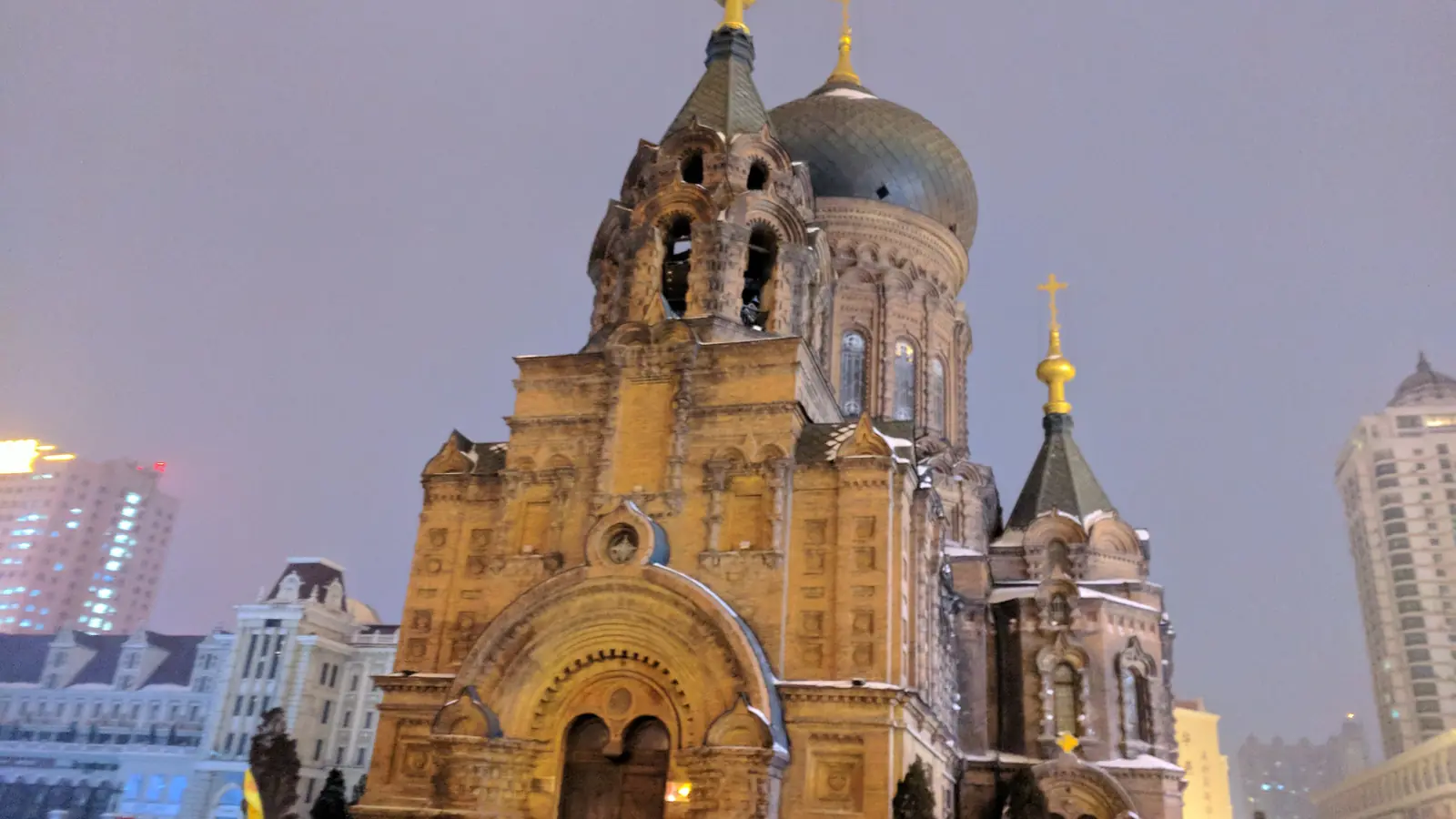
Local planning detail 4 — Saint Sophia area: Use the former church and surrounding city context to discuss the destination itself’s railway-era development and mixed architectural inheritance. Railway-station corridor: Choose only for a very early departure; luggage convenience does not replace a walkable winter evening base. Beijing: Connect by air or rail for an imperial-city and Great Wall chapter. Rather than repeat similar viewpoints, the plan should move from context to contrast. The planner can then choose a nearby alternative with a different theme instead of a weaker imitation.
Six distinct experiences
Best things to do here without rushing
Ice and Snow World
Enter with the evening lighting plan, identify indoor warming points and avoid exposed queues immediately after sweating indoors.
Sun Island snow sculptures
Visit by daylight for detail and scale, using transport that minimizes a long wait in wind after closing.
Central Street
Walk the historic commercial axis in manageable sections, pairing architecture with indoor food stops rather than staying outside continuously.
Saint Sophia area
Use the former church and surrounding city context to discuss the metropolitan area’s railway-era development and mixed architectural inheritance.
Heilongjiang museum focus
Choose one indoor collection for regional history or art as both context and a safe break from extreme temperatures.
Songhua River winter activity
Participate only at managed sites with current ice-safety controls; frozen appearance alone never proves safe access.
Choose depth before adding stops
How many days do you need at a comfortable pace?
2 days: festival essentials
Use one daylight sculpture visit, one illuminated ice evening and a central architectural walk. Exact arrival timing must match the evening ticket.
3 days: recommended winter stay
Add a museum, slower food exploration and weather flexibility. A third day reduces the temptation to remain outside for eight continuous hours.
4 days: regional winter extension
Include a managed ski or countryside experience only with proper clothing, transport and a meaningful activity rather than a staged photo stop.
Weather, crowds and operating conditions
Best time to visit
Late December through January is the core ice season, with February dependent on temperature and operating decisions. Outside winter, the wider region remains a history and food city but the headline ice installations do not operate. Summer is mild relative to much of China.
| Months | Typical conditions | Crowds | Planning note |
|---|---|---|---|
| Late December–January | Severely cold with the strongest festival probability | Very high | Confirm opening and cover all exposed skin |
| February | Still cold but daylight and thaw risk increase | High | Check each ice venue before booking |
| March–May | Cold spring becoming mild | Low | No assumption of festival structures |
| June–September | Mild to warm, with summer rain | Medium | Visit for city culture rather than ice |
Late December through January is the core ice season, with February dependent on temperature and operating decisions. Outside winter, the city remains a history and food city but the headline ice installations do not operate. Summer is mild relative to much of China. Construction and trial opening often begin.
Choose the useful base first
Where to stay
Central Street area
Best for first-time architecture, restaurants and short evening walks, with easy indoor refuge between outdoor blocks.
Saint Sophia and central district
Convenient for heritage sights and transport, though room heating and window insulation should still be checked.
Ice World side of the river
Useful when the main priority is repeated festival access, but central dining and history require extra crossings.
Railway-station corridor
Choose only for a very early departure; luggage convenience does not replace a walkable winter evening base.
Central Street area: Best for first-time architecture, restaurants and short evening walks, with easy indoor refuge between outdoor blocks. Saint Sophia and central district: Convenient for heritage sights and transport, though room heating and window insulation should still be checked.
Gateways, transfers and local movement
Getting there and around
Flights and rail
Winter weather can delay both. Keep the final festival night away from an inflexible international connection where possible.
Venue transfers
Use metro, taxi or confirmed pickup according to closing time. Avoid depending on a long outdoor queue after the evening show.
Cold management
Carry phone and camera batteries inside an inner pocket, manage condensation when returning indoors and use chemical warmers safely.
Walking surfaces
Snow polish and refrozen melt create ice. Insulated boots need grip as well as warmth; short steps are safer than rushing.
Ice and Snow World is strongest after dark, while Sun Island snow sculpture is a daylight visit. Put them on different blocks with an indoor meal and warm-up period between. Central Street, Saint Sophia and a focused museum can fill shorter daylight hours without leaving.
Construction and trial opening often begin in December, full operations typically concentrate from late December into February, and warm weather can shorten the end. Confirm current official opening, ticketing and temperature close to travel. Down jackets alone are insufficient without thermal base layers, insulated boots.
Direct planning answers
Harbin FAQ
When is the best time for the local hub Ice Festival?
January gives the highest probability that major ice and snow venues are fully operating, but official dates and temperature should be checked every season.
How cold does the urban base feel?
Winter temperatures can be severe, and wind plus long stationary periods increase exposure. Dress in thermal layers with insulated boots, gloves, hat and face protection.
Is late February too late?
It may still operate, but warming can reduce quality or close structures. Do not book solely from a prior year’s calendar.
How many days do I need in the surrounding area?
Three days is comfortable for major ice and snow venues, central architecture, food and warm-up time.
Can children visit Ice and Snow World?
Yes with strict exposure management, frequent indoor breaks, dry gloves and footwear, and a willingness to leave early if anyone becomes cold.
How do I protect my phone or camera?
Keep spare batteries warm, avoid exposing devices continuously and seal cold equipment before moving into humid indoor air to reduce condensation.
Routes with visible scope
Itineraries that fit this destination
Ice and Snow World is strongest after dark, while Sun Island snow sculpture is a daylight visit. Put them on different blocks with an indoor meal and warm-up.
 Harbin Tours and Multi-Day RoutesIce and Snow World is strongest after dark, while Sun Island snow sculpture is a daylight visit. Put them on different blocks with an.View route →
 Continue Through ChinaBeijing: Connect by air or rail for an imperial-city and Great Wall chapter. Tianjin: Add northern port history on a longer rail.View route →
 Design a Private Harbin JourneyConstruction and trial opening often begin in December, full operations typically concentrate from late December into February, and warm weather can shorten.View route →
Continue in a logical direction
Nearby destinations
Ice and Snow World is strongest after dark, while Sun Island snow sculpture is a daylight visit. Put them on different blocks with an indoor meal and warm-up period between. Central Street, Saint Sophia and a focused museum can fill shorter daylight hours without leaving travellers exposed continuously. Beijing: Connect by air or rail for an imperial-city and Great Wall chapter. Tianjin: Add northern port.