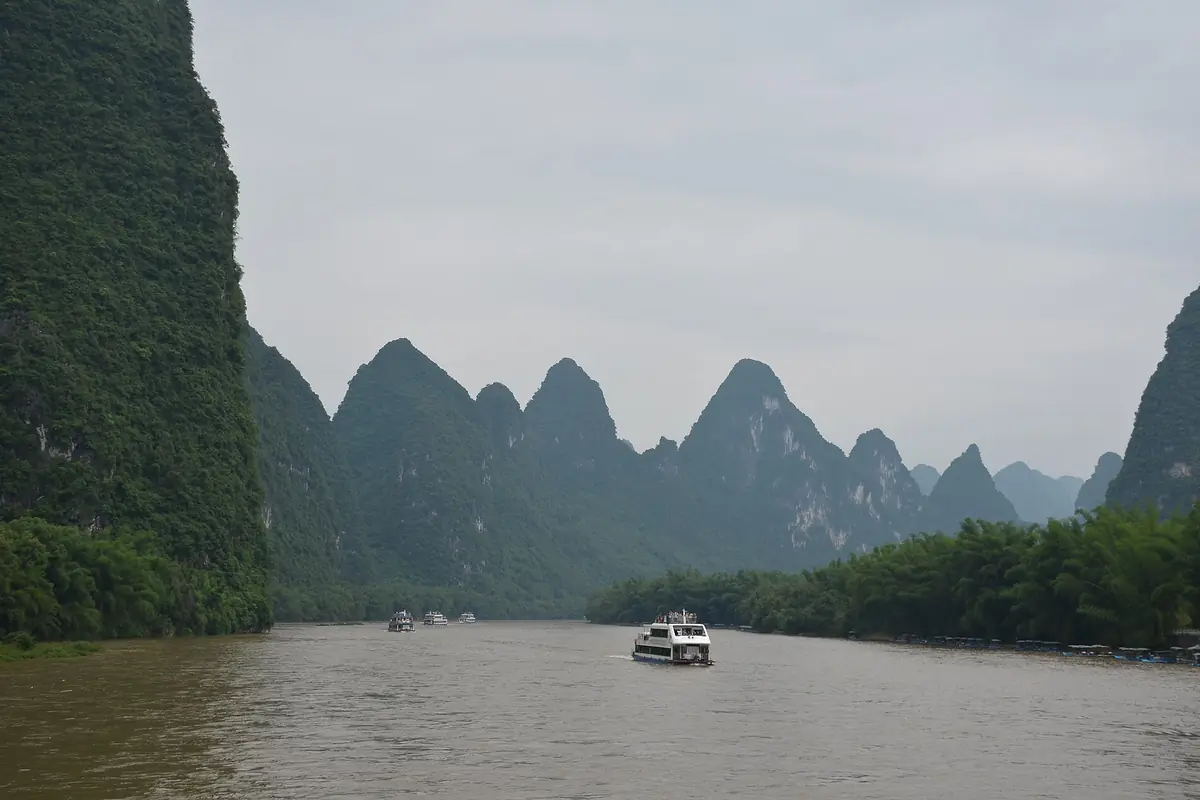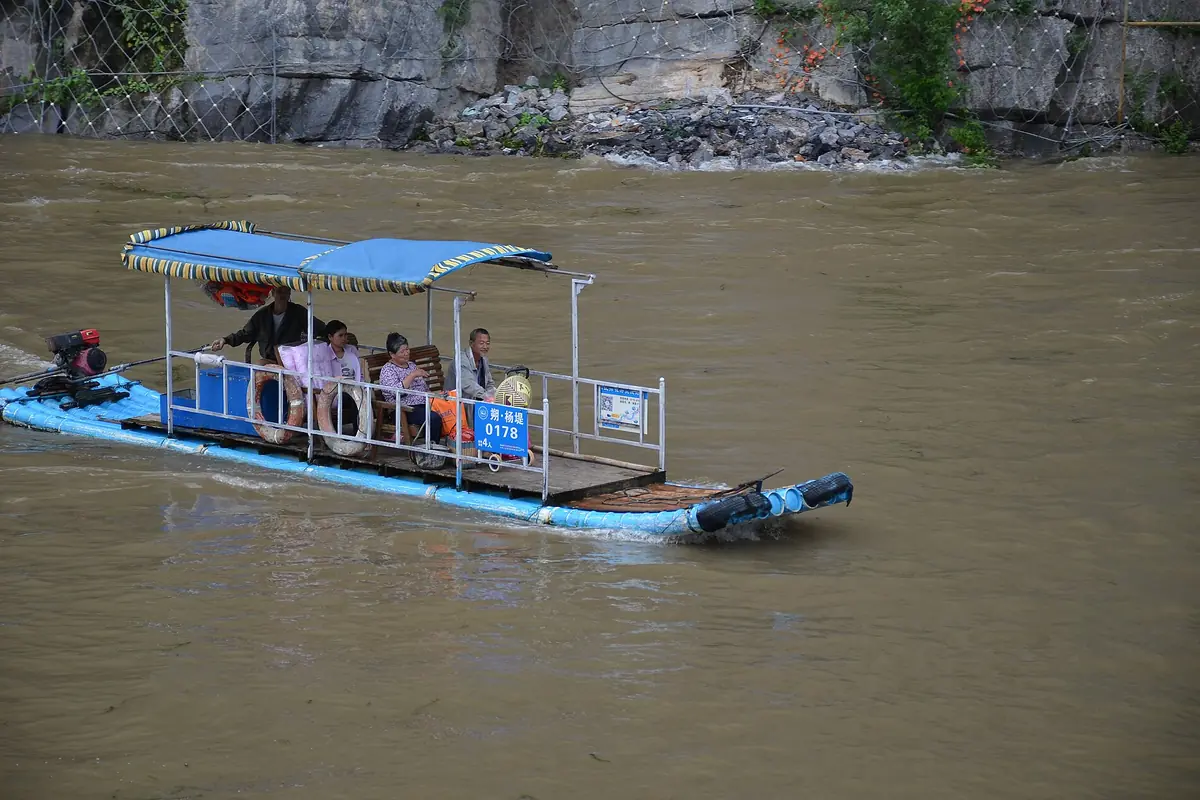
Guilin’s landscapes can be rewarding in mist or clear weather, but the right activity depends on more than how the hills look from your hotel. River conditions, wet paths and travel between Guilin, Yangshuo and Longji affect the day plan. We recommend choosing a main landscape experience and keeping a second option that does not rely on the same conditions. The public planning report cited below provides historical climate background; its figures are not a forecast or a newly calculated set of monthly normals.
Use the climate background honestly
The 2026 public planning document describes Guilin’s historical annual mean as 18.7°C and cites annual rainfall of 1,941.5 mm. It does not identify a complete modern normals period alongside those figures, so we use them only as background. The document gives January and July temperature ranges and describes a rainier period from March to August, especially April to July. Those details explain why a landscape holiday needs flexible daily choices. They cannot tell you when a specific river sailing will operate, when a village field will be harvested or what the view will be on your arrival morning.
Spring: photograph the atmosphere you have
For a spring visit, our preference is to keep riverside walking flexible and protect a dry place for lunch or a break. Mist can create a layered view of the hills, but rain can also obscure a viewpoint. A photography day should therefore include more than one possible subject: a broad river scene, a village detail or a closer view of cultivation. Choose footwear for damp surfaces and avoid making a sunrise the only opportunity in the schedule. We would rather arrange a useful morning with several possible stops than promise a particular mist pattern that cannot be booked.
Summer: separate the river decision from the forecast icon
Warm conditions and the rainier season can coincide. A general prediction of showers is not the same as an operating decision for a cruise or small craft. Confirm the chosen service and departure point directly, particularly after sustained rain. Our suggested rhythm is an earlier outdoor chapter, a generous lunch pause and another activity only if conditions suit. The amount of walking should reflect the group’s comfort in humidity. A cave visit may offer variety, but it still has access, admission and operating arrangements to check; it should not be treated as an unconditional replacement for every cancelled river activity.
Flooding can affect the rest of the route
Rain affects roads, paths and the upstream catchment as well as the place where you are standing. For a journey continuing to Yangshuo or Longji, review the local notice for that destination before setting out. We recommend a buffer around onward transport and an alternative that can be reached safely from the current base. Do not squeeze a long excursion between a weather disruption and an evening train simply to preserve the original checklist. A shorter city experience can be the better decision when transport or trail conditions make the planned outing uncertain.
Autumn: choose a base for the main interest
An autumn stay can suit travellers who want countryside walking, but the choice between Guilin and Yangshuo should still follow the activities. Guilin is useful for a city arrival and the start of a broader landscape route; a Yangshuo base can reduce repeated journeys for countryside time. Longji is a separate chapter that may deserve an overnight stay if terrace views are central to the trip. We would choose the base before adding distant attractions. The colour of the fields depends on cultivation and harvest decisions, so a seasonal description should lead to a local check rather than a guaranteed date.
Winter: pace the day for cooler, damp conditions
The official planning document cites January monthly means in a historical range of 6.8–8.4°C. That is cool enough to make a warm layer useful even though the region is often imagined only as a summer landscape. We suggest a modest morning walk, a warm lunch and an afternoon choice based on visibility. A river outing should be chosen for the experience available that day rather than a photograph from another season. If the group prefers warmth and long open air meals, describe that preference before selecting winter dates. A shorter outdoor route can still offer a clear sense of the limestone landscape.
Longji needs its own weather check
The terraces involve elevation, steps and village paths that differ from the city’s pavements. We would check the selected village and the planned walking route, then decide whether a short viewpoint outing or a longer connection is appropriate. Pack shoes with reliable grip and give the return route enough daylight. If photography is the reason for visiting, allow a second viewing opportunity rather than relying on one distant transfer for a brief sunrise. A local operational or trail notice should determine access after heavy rain. The city’s annual temperature figure is not sufficient evidence for conditions on a terrace path.
Plan a day that can change gracefully
Before departure, identify the fixed booking, the movable activity and the easiest nearby alternative. Check rain timing and warnings along the route, not just at the hotel. Our suggested departure rhythm and buffers are editorial planning choices rather than measured queue records. An enjoyable Guilin visit can combine a landscape chapter with food, a neighbourhood or an indoor collection when the weather changes. Keeping that second purpose visible makes the alternative feel like part of the holiday. It also avoids pressuring the group to continue an unsuitable outdoor plan merely because a long drive has already been arranged.
Official facts for your planning
| Planning detail | Verified information |
|---|---|
| Historical mean temperature | The public planning report cites 18.7°C annually; its normals period is not specified. Official source |
| Historical annual rainfall | The same document cites 1,941.5 mm; use as background rather than a current prediction. Official source |
| January reference | Historical monthly mean range 6.8–8.4°C in the report. Official source |
| July reference | Historical monthly mean range 27.0–28.6°C in the report. Official source |
| Rainier months | The report describes March–August as the rainy period and April–July as especially wet. Official source |
| Rainfall peak description | May–June are identified as the main rainfall peak in the document. Official source |