
Bai population, language and the Dali basin
The National Ethnic Affairs Commission records 2,091,543 Bai people in its 2020 population figure. This is a dated national count, not the current population of Dali or the number of people available to receive visitors.
The principal areas for this guide are Yunnan, Guizhou and Hunan, with smaller communities in Sichuan and Chongqing. The Dali basin sits between Cangshan and Erhai. Lakeside settlements, foothill villages and the higher Jianchuan area have different farming patterns and building conditions. A lakeside cycling day does not explain all Bai livelihoods, so combine it with a craft or architectural visit.
Bai is a tonal language with southern, central and northern varieties. Its position within Sino-Tibetan remains debated; calling it a dialect of Mandarin loses that distinction. A Latin-based writing proposal appeared in 1958 and was revised in 1982. Chinese characters also occur in historical Bai writings.
Bai population and language references:
Official community profileBai courtyards, indigo cloth and local foods
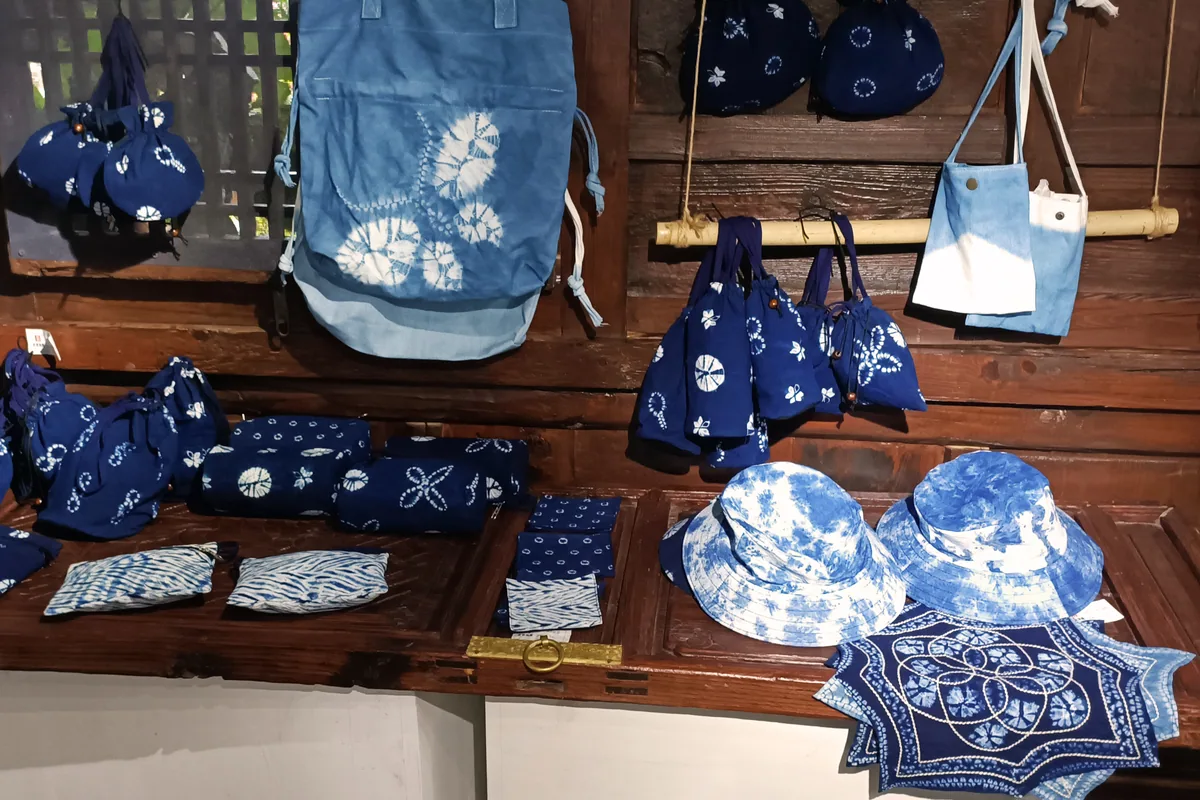
White clothing is culturally prominent, but garments, aprons and head coverings differ by locality and life stage. Indigo tie-dye is especially associated with the Dali area. Ask whether a textile was tied and dyed in the workshop or purchased from a wholesaler before describing it as locally made.
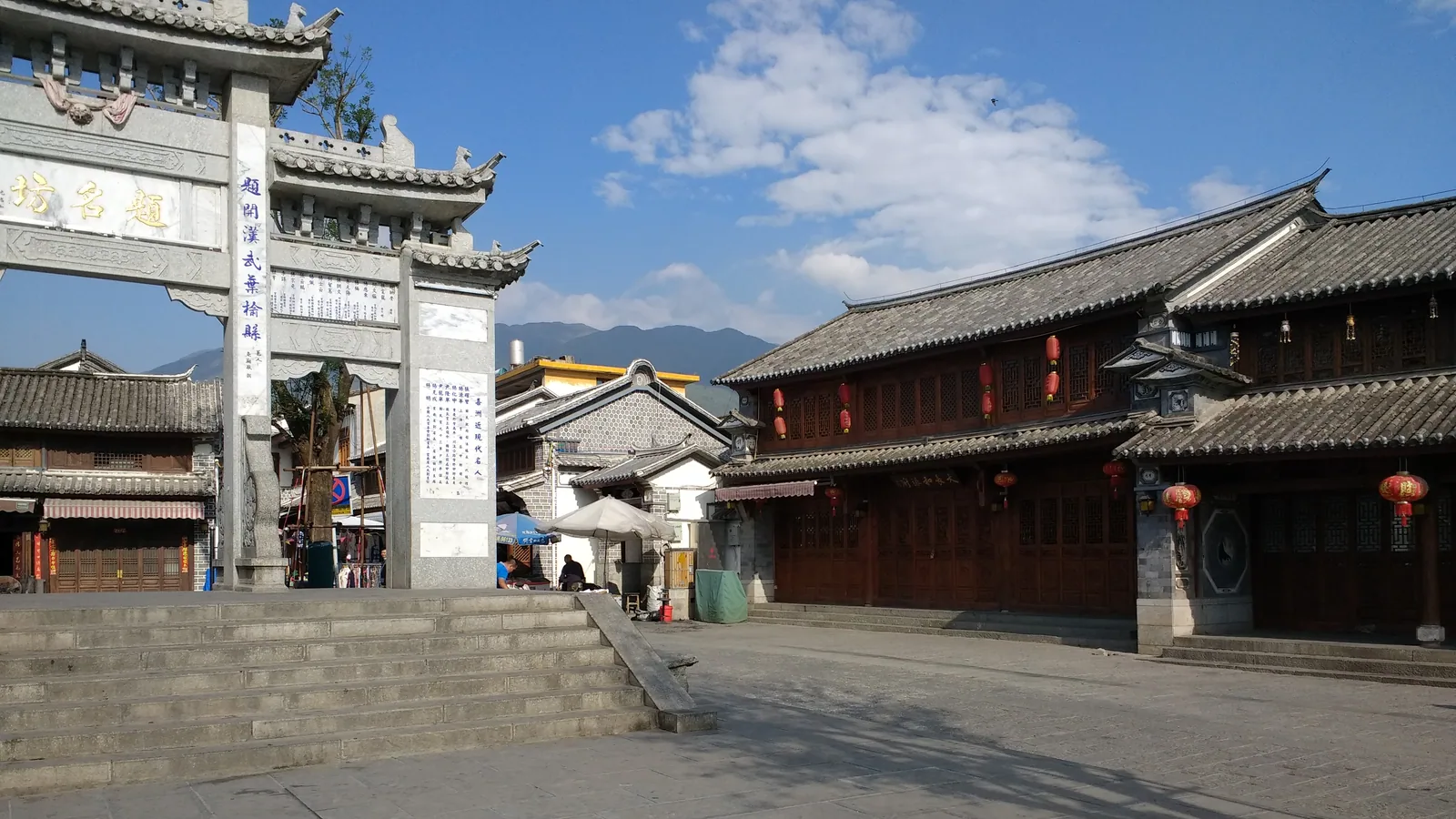
Xizhou courtyard houses often arrange three residential wings around a courtyard facing a decorative screen wall. Timber carving, painted gateways and the position of the wall are more informative than simply calling every white facade traditional. Jianchuan offers a separate context for woodcarving and stone sculpture.
Look for rice noodles called er si, pressed rice cakes called er kuai, and rushan dairy sheets. Three-course tea moves through bitter, sweet and lingering tastes; recipes vary. Rushan contains milk, and the sweet tea may contain milk, nuts or honey. Ask about ingredients before tasting.
Bai traditions reference:
Official traditions referenceDali’s Third Month Fair and Torch celebrations
The Third Month Fair in Dali follows the third lunar month, commonly a spring travel window. Torch celebrations use the sixth lunar month. Neither should be converted into one permanent Gregorian date. A commercial tea demonstration can be arranged outside a festival and should be described as such.
March to May suits a courtyard and village itinerary with layers for cool mornings. The summer rainy period calls for indoor craft alternatives. A winter visit can still work for museums and markets, but wind beside Erhai and colder Jianchuan evenings affect the walking plan.
For a festival-led trip around Dali, ask the organizer for the Gregorian date, location and visitor hours. Convert the Third Month Fair or Torch celebration’s lunar date for the year you will be in Dali, and check which part of the gathering welcomes spectators. If the public program changes, a prearranged Zhoucheng craft lesson or Dali collection visit can keep the day focused on Bai culture.
Bai and Naxi traditions in their own settings
Bai courtyard arrangements and tie-dye around Dali differ from the Dongba manuscript tradition associated with Naxi communities in Lijiang. Both regions have absorbed influences through trade. Shared roof tiles or tourist souvenir designs do not make the two languages or identities interchangeable.
A useful comparison with Naxi context around Lijiang begins with language, settlement history and the maker of an object. For a Bai textile beside a Naxi manuscript, record the maker, settlement and purpose of each object before comparing their designs. A Dali shop display or a historical costume label describes its own context; neither identifies a passer-by or tells you how every nearby household lives today.
Four Bai heritage and craft visits
The time budgets below are proposals for a Bai cultural itinerary, with access and workshop availability still to be agreed. Select two complementary experiences for a short stay around Dali and confirm the exact venue, host and fee before booking.

Xizhou courtyard walk
Planning time for xizhou courtyard walk: 2 hours. Focus: architecture interpretation. Use a host-approved courtyard to study the gateway, carved timber and screen wall. Sketch the relationship between the living rooms and outdoor space before comparing a second house. Ask the Xizhou host to identify the meeting gate and the courtyard rooms included in the walk. Permission for an occupied family house must be agreed explicitly, even if a nearby heritage property sells general admission to visitors.
Zhoucheng tie-dye workshop
Planning time for zhoucheng tie-dye workshop: 2–3 hours. Focus: textile practice. Ask an artisan to show the sequence of tying, dyeing, rinsing and drying. A small practice cloth is more useful than a rushed costume portrait. Confirm whether collection is possible before your departure. Leave the full tying and dyeing allowance free before scheduling a second ticketed stop near Dali. Arrange the pickup from Zhoucheng and an abbreviated lesson or indoor alternative if rain, fatigue or an unplanned workshop closure changes the afternoon.
Dali museum visit
Planning time for dali museum visit: 90 minutes. Focus: museum context. Start with exhibits explaining local history, religious exchange and the Dali basin. Use the gallery labels to distinguish archaeological objects from modern craft products you may see in nearby shops. For the Dali collection session, ask the quote to separate museum admission, the interpreter’s time, any host fee and the transfer. Choose an identified guide who can explain the basin’s exhibits and connect them to the craft objects encountered later in shops.
Shaxi and Jianchuan extension
Planning time for shaxi and jianchuan extension: 1–2 days. Focus: market-town exploration. Arrange a separate day or overnight for the Shaxi market-town setting and Jianchuan craft traditions. Village roads and the onward transfer make this a different outing from a short Erhai loop. Discuss portraits and any recording before meeting a Shaxi or Jianchuan host, including where the images may be used. A market gathering, an artisan’s paid lesson and a household’s private work each need their own permission even when they share a street.
A Dali itinerary with Xizhou and Zhoucheng
A practical three-day Dali stay can separate the lake basin from the northern craft towns. Use the first afternoon for a museum introduction and an old-town walk, then spend the second day between Xizhou and Zhoucheng. Keep one courtyard visit and one tie-dye booking as the fixed commitments; a long lakeside circuit can be shortened if the workshop runs late. On the third day, choose either a local market and tea session or departure toward Jianchuan and Shaxi. Trying to add Shaxi, a full Erhai circuit and a craft lesson to the same day leaves little time for conversation. For a fabric purchase, ask the workshop to write the material, size, making method and washing instructions on the receipt. A damp item may need drying time before packing. For architecture, compare two documented courtyards rather than taking photographs of twenty closed doors. A host can explain why the screen wall faces the rooms and how the courtyard changes household light and privacy.
Bai household visits and workshop etiquette
A screen wall and doorway can belong to an occupied home. Do not enter for a photograph merely because a courtyard gate is open. At a tie-dye session, ask before filming the artisan, and keep dye liquid away from the household water supply.
For a host visit near Dali, arrange the group size and language support in advance. For a 90-minute Bai workshop conversation, let one interpreter work through a few questions about tying cloth or using the courtyard. Give the artisan time to demonstrate before the next question, and keep the discussion connected to their own work. Household income, marriage or religious matters can remain private, so accept a decision to leave those subjects aside.
Before reserving a Bai village room, ask how the route leads from the vehicle stop through the courtyard to the bedroom, noting stairs, bathroom arrangements and heating or cooling. Establish who carries luggage if cars cannot reach the gate. A photograph of carved wood or a screen wall gives little evidence of the practical access a guest will need during the stay. For the Zhoucheng tie-dye workshop option, ask whether the route can be shortened and whether a vehicle can meet a participant who needs to stop walking.
At a craft purchase or meal in Dali, ask for the maker’s name or the restaurant name on a receipt and agree on the full price before ordering. Give the Bai cook a written allergy list and ask specifically about rushan milk, sweet-tea additions, sauces and shared utensils. A tasting is suitable only when its ingredients meet the guest’s dietary needs. If a tea or meal includes alcohol, tell the guide beforehand that a non-alcoholic alternative is preferred, so the host can welcome the group without an awkward last-minute exchange.
In a Bai courtyard or tie-dye lesson, ask each adult before making a portrait or recording their work, and seek a guardian’s consent for images of children. Discuss separately whether the photographs may appear in promotion; agreement to take them is not an advertising licence. Large lights, drones and camera setups need the host’s explicit permission around homes and any ritual activity. Honour the agreed demonstration fee for the artisan’s time even when the practice cloth is the only item taken away and no additional purchase is made.
Questions about visiting Bai communities
Where should I begin a Bai cultural visit?
Use Dali as the initial planning base for the experiences described here. Start with Xizhou courtyard walk or an interpreted collection visit, then add a named host or workshop. For an extension beyond the Dali basin, name the Bai settlement and craft host rather than expecting Jianchuan or another region to reproduce a visit to Xizhou.
Which languages help with a Bai workshop?
Mandarin can help arrange a Dali transfer, while interpreting Bai vocabulary or a workshop explanation requires attention to the speaker’s regional variety. Ask who will translate the Xizhou or Zhoucheng session into English and whether the booking includes discussion of textile terms, songs or writing where relevant. The language service depends on the named host and interpreter, not on the destination label.
Can a Dali craft visit be booked outside festival dates?
Dali’s Third Month Fair and Torch celebrations belong to their seasonal calendars; a three-course-tea demonstration or tie-dye lesson may be a separate year-round booking. Ask the provider to describe which type of encounter is offered. For Dali, confirm the current notice, public hours and participation rules before booking transport around an event.
What time does a Bai heritage introduction need?
Begin a Bai stay with a collection or heritage introduction and a hosted craft encounter, protecting at least half a day when the latter involves transfers away from Dali. Zhoucheng tie-dye workshop has a suggested allowance of 2–3 hours. Treat the Bai durations as itinerary allowances and agree the actual start, access and finish with the Dali provider.
Which permissions apply to Bai courtyard portraits?
Ask the Bai participant and property host about both photography and later publication. A Xizhou lane can pass occupied courtyards, and attendance at a Dali gathering does not supply the residents’ consent. A screen wall and doorway can belong to an occupied home. Do not enter for a photograph merely because a courtyard gate is open. At a tie-dye session, ask before filming the artisan, and keep dye liquid away from the household water supply.
Sources for Bai history and traditions
- National Ethnic Affairs Commission: Bai overview
- National Ethnic Affairs Commission: Bai cultural traditions
- Dali regional cultural context
The Bai population total retains its 2020 reference year rather than claiming a current Dali count. Ask the relevant fair organizer, museum or courtyard host for present visitor access, event details and admission arrangements. The proposed walk and workshop durations allocate itinerary time; they are Vayora planning suggestions, not opening-hour statements taken from the linked cultural profiles.