
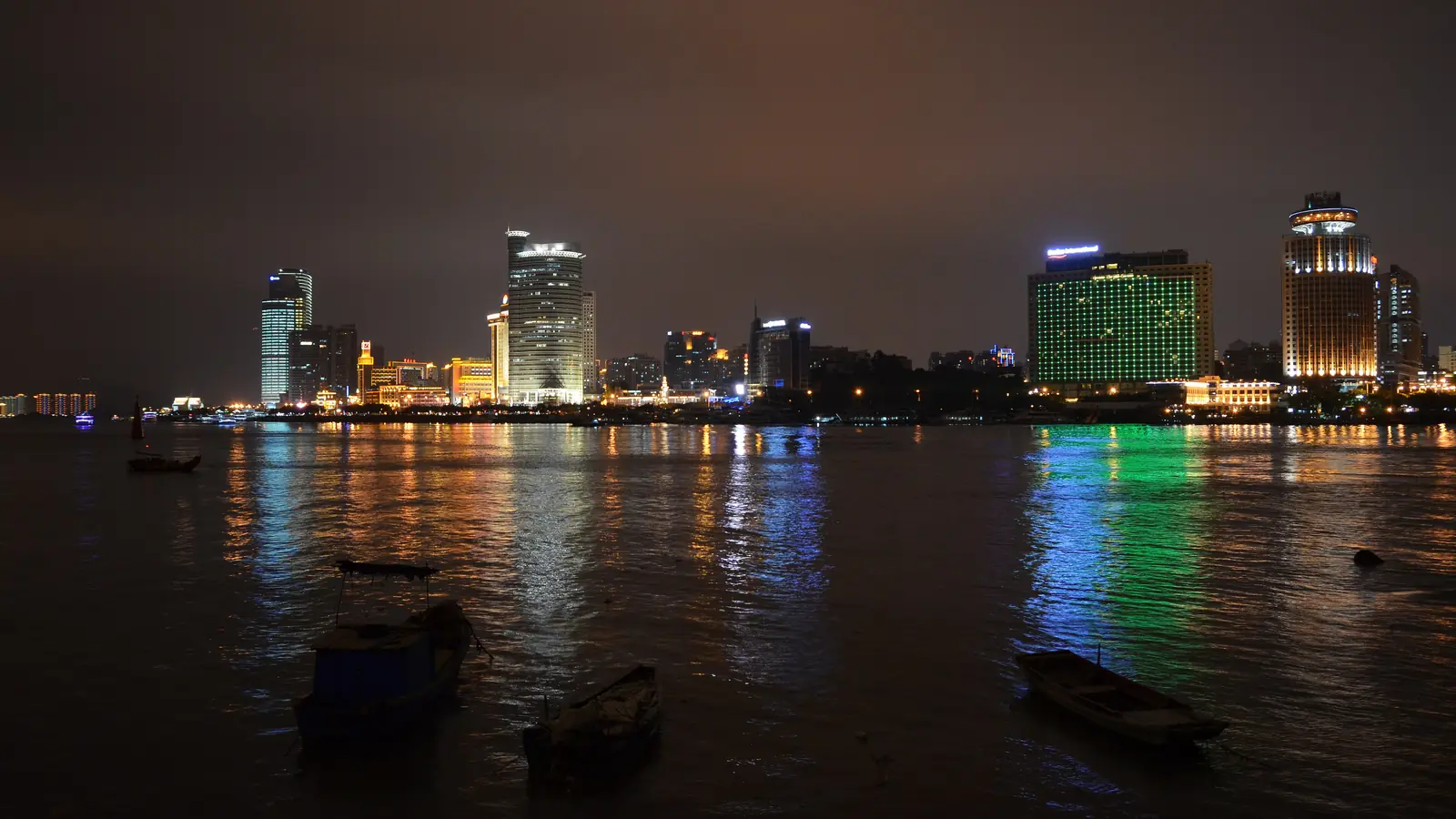
Character, context and route logic
Why visit this destination, and what deserves priority?
The local hub combines a subtropical island-city setting with maritime exchange, university culture and neighbourhood food. Gulangyu preserves a concentrated architectural and musical history across the water, while the main island offers temples, older port streets, beaches and modern transport links.
Book the correct passenger ferry to Gulangyu and allow most of a day for walking because the island is vehicle-free and larger than its waterfront arrival suggests. On another day, link Shapowei, old port streets and Nanputuo or the university side without zigzagging along the coast.
Ferry terminals and ticket rules differ for visitors and residents, and return piers may vary by time. Tropical storms can suspend ferries and flights. Tulou clusters lie inland, requiring hours of road travel; choose one coherent cluster and consider an overnight for better village context.
The trip gains coherence when food, history and transport are kept within the same district for part of a day. Give the metropolitan area two or three days for Gulangyu, old port neighbourhoods and a coastal or temple day. Add Fujian tulou only with a separate long road day or overnight, not as a hurried appendix to an island afternoon. Once those constraints are clear, meals and free time can support the day instead of competing with it.
Local planning detail 1 — Gulangyu architecture walk: Follow a themed route through gardens, former consulates and hillside lanes, carrying light luggage and expecting steps. Siming old-city side: Best for first visits, port history, food streets and reasonable ferry access. Hong Kong: Connect by air or rail for another maritime city under a separate immigration system. The trip gains coherence when food, history and transport are kept within the same district for part of a day. Once those constraints are clear, meals and free time can support the day instead of competing with it.
Local planning detail 2 — Piano or organ collection: Use one specialist museum to understand the island’s musical identity, checking current galleries and performance schedules. Zhongshan Road area: Convenient for evenings and central transport, though the commercial core can be noisy. Guangzhou: Travel along the south-China rail network for Cantonese heritage and food. The trip gains coherence when food, history and transport are kept within the same district for part of a day. Once those constraints are clear, meals and free time can support the day instead of competing with it.
Local planning detail 3 — Shapowei and old port: Walk fishing-port traces, adaptive reuse and local streets as a mainland-island contrast rather than a café-only stop. East-coast and convention area: Modern, quieter and closer to beaches, but farther from old-port sightseeing. Shanghai: Fly or take a longer rail journey to compare two very different treaty-port cities. The trip gains coherence when food, history and transport are kept within the same district for part of a day. Once those constraints are clear, meals and free time can support the day instead of competing with it.
Local planning detail 4 — Nanputuo Temple: Visit active religious spaces respectfully and combine them with nearby hills or coast only if heat and access permit. Gulangyu: Stay only for quiet mornings and evenings, accepting hand-carried luggage, slopes and limited vehicle access. Hong Kong: Connect by air or rail for another maritime city under a separate immigration system. The trip gains coherence when food, history and transport are kept within the same district for part of a day. Once those constraints are clear, meals and free time can support the day instead of competing with it.
Six distinct experiences
Best things to do here without rushing
Gulangyu architecture walk
Follow a themed route through gardens, former consulates and hillside lanes, carrying light luggage and expecting steps.
Piano or organ collection
Use one specialist museum to understand the island’s musical identity, checking current galleries and performance schedules.
Shapowei and old port
Walk fishing-port traces, adaptive reuse and local streets as a mainland-island contrast rather than a café-only stop.
Nanputuo Temple
Visit active religious spaces respectfully and combine them with nearby hills or coast only if heat and access permit.
Island Ring Road
Choose a short coastal sector for walking or cycling, avoiding exposed midday heat and assuming beaches are scenic rather than resort-perfect.
Fujian tulou extension
Travel inland for communal earthen architecture with resident privacy, long road time and one selected cluster clearly explained.
Choose depth before adding stops
How many days do you need at a comfortable pace?
2 days: island essentials
Use one full Gulangyu day and one main-island route across the port, temple and coast.
3 days: recommended Xiamen
Add a slower food and neighbourhood day or weather margin for ferries, preserving evenings without transfers.
4–5 days: include tulou
Use a full inland road day or one overnight for a chosen tulou cluster. Do not force it into the Gulangyu day.
Weather, crowds and operating conditions
Best time to visit
October to December is usually comfortable. Spring is humid and often grey; summer is hot with heavy rain and typhoon risk. Winter is mild but can be windy. Ferry and outdoor plans must follow live marine weather.
| Months | Typical conditions | Crowds | Planning note |
|---|---|---|---|
| March–May | Mild, humid and frequently misty | Medium | Carry rain protection for island walking |
| June–September | Hot, wet and exposed to tropical storms | High | Monitor ferry and flight notices |
| October–December | Comfortable and less humid | High | Reserve Gulangyu transport early |
| January–February | Mild to cool and windy | Medium | Use layers on ferries and coast |
October to December is usually comfortable. Spring is humid and often grey; summer is hot with heavy rain and typhoon risk. Winter is mild but can be windy. Ferry and outdoor plans must follow live marine weather. Ferry terminals and ticket rules differ for visitors and residents, and.
Choose the useful base first
Where to stay
Siming old-city side
Best for first visits, port history, food streets and reasonable ferry access.
Zhongshan Road area
Convenient for evenings and central transport, though the commercial core can be noisy.
East-coast and convention area
Modern, quieter and closer to beaches, but farther from old-port sightseeing.
Gulangyu
Stay only for quiet mornings and evenings, accepting hand-carried luggage, slopes and limited vehicle access.
Siming old-city side: Best for first visits, port history, food streets and reasonable ferry access. Zhongshan Road area: Convenient for evenings and central transport, though the commercial core can be noisy.
Gateways, transfers and local movement
Getting there and around
Airport and rail
The overnight base has an airport and two main rail stations. The surrounding area North is far from the old port compared with the city centre station.
Gulangyu ferry
Buy the correct visitor ticket for the specified terminal and time, carrying the same identity document used in booking.
Main-island movement
Metro, bus, taxi and walking work in combination. Coastal distance is greater than it appears on a tourist map.
Tulou road trip
Use an arranged vehicle or appropriate tour for inland clusters; protect a full day and avoid a late flight afterward.
Book the correct passenger ferry to Gulangyu and allow most of a day for walking because the island is vehicle-free and larger than its waterfront arrival suggests. On another day, link Shapowei, old port streets and Nanputuo or the university side without zigzagging along the.
Ferry terminals and ticket rules differ for visitors and residents, and return piers may vary by time. Tropical storms can suspend ferries and flights. Tulou clusters lie inland, requiring hours of road travel; choose one coherent cluster and consider an overnight for better village context.
Direct planning answers
Xiamen FAQ
How much time do I need on Gulangyu?
Allow most of a day. Vehicle-free hills, museums and architecture walks take longer than a quick ferry crossing suggests.
Which ferry should visitors use?
Visitor routes and terminals can differ by time and policy. Book the official ticket shown for your identity document and hotel location.
Can I visit the Fujian tulou in one day?
Yes, but it is a long road day. Choose one cluster and avoid combining it with Gulangyu or an evening flight.
How many days do I need in the city?
Three days is ideal for Gulangyu, the main island and weather flexibility. Add one or two days for tulou.
When is typhoon season?
Tropical systems are most relevant in the warmer months, but exact risk is event-based. Monitor official marine and transport notices.
Should I stay on Gulangyu?
Stay one night for quiet lanes before and after day crowds, but only if carrying luggage over slopes and steps is acceptable.
Routes with visible scope
Itineraries that fit this destination
Book the correct passenger ferry to Gulangyu and allow most of a day for walking because the island is vehicle-free and larger than its waterfront arrival suggests. On.
 Xiamen Tours and Multi-Day RoutesBook the correct passenger ferry to Gulangyu and allow most of a day for walking because the island is vehicle-free and larger than its.View route →
 Continue Through ChinaHong Kong: Connect by air or rail for another maritime city under a separate immigration system. Guangzhou: Travel along the south-China rail.View route →
 Design a Private Xiamen JourneyFerry terminals and ticket rules differ for visitors and residents, and return piers may vary by time. Tropical storms can suspend ferries.View route →
Continue in a logical direction
Nearby destinations
Book the correct passenger ferry to Gulangyu and allow most of a day for walking because the island is vehicle-free and larger than its waterfront arrival suggests. On another day, link Shapowei, old port streets and Nanputuo or the university side without zigzagging along the coast. Hong Kong: Connect by air or rail for another maritime city under a separate immigration system. Guangzhou: Travel along.