

Character, context and route logic
Why visit this destination, and what deserves priority?
This part of China spreads across the Yangtze and Han rivers and combines the former cities of Wuchang, Hankou and Hanyang. Its landmarks, concession-era streets, university districts and vast East Lake are distributed across different banks, so a useful trip depends on geography rather than a long checklist.
Group Yellow Crane Tower and Wuchang culture together, use a separate half or full day for East Lake and the provincial museum, and explore Hankou on the opposite side without repeated river crossings. The city is also a strong high-speed-rail hub for extensions toward Changsha, Zhangjiajie, Shanghai, Xi’an or Chongqing.
The clearest itinerary distinguishes what must be reserved from what can remain spontaneous. The destination itself spreads across the Yangtze and Han rivers and combines the former cities of Wuchang, Hankou and Hanyang. Its landmarks, concession-era streets, university districts and vast East Lake are distributed across different banks, so a useful trip depends on geography rather than.
Six distinct experiences
Best things to do here without rushing
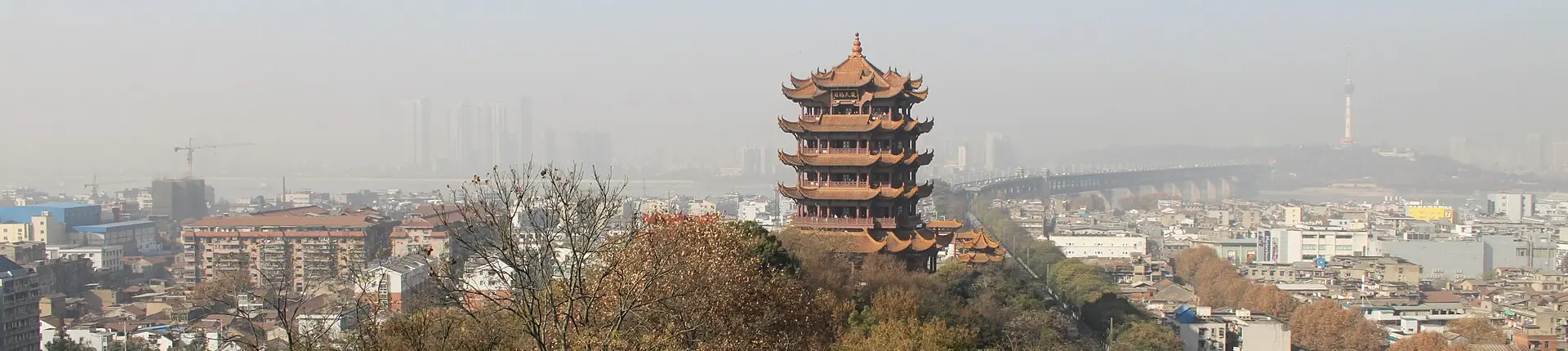
Yellow Crane Tower
this destination’s emblematic tower, valued for literary history, city symbolism and views across the Yangtze corridor. Visit in clearer weather and combine the tower with nearby Wuchang sites. Elevators may reduce some effort, but approaches still involve walking and crowds. A.
Wuhan East Lake
A large urban-lake landscape that requires choosing one sector rather than trying to circle every shore. Choose one entrance and exit before setting out. Pairing a manageable East Lake sector with the Hubei Provincial Museum creates a coherent day in.
Hubei Provincial Museum
A major collection for understanding the ancient state of Chu and central China’s material culture. Allow several focused hours and decide whether archaeology, music or Chu culture is the main interest. Combine the museum with a nearby East Lake sector.
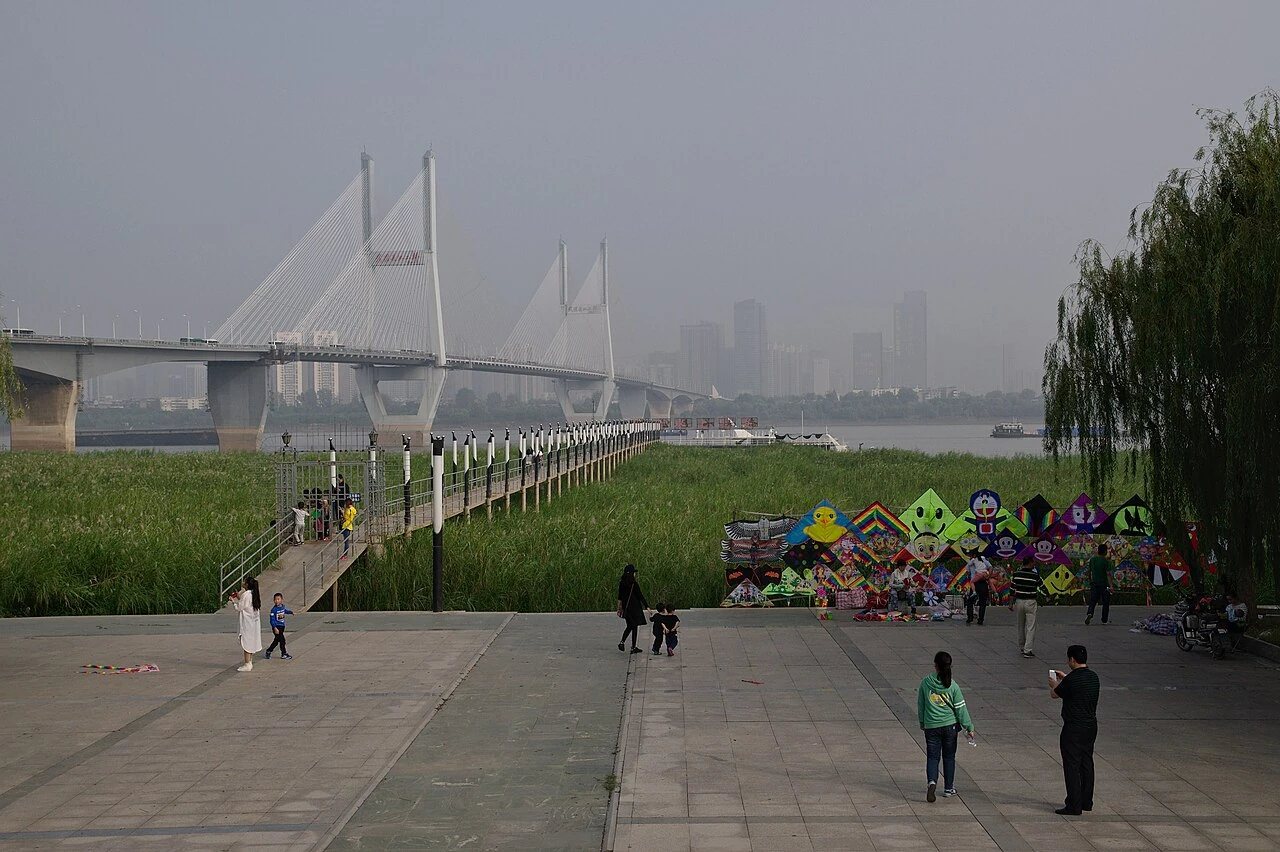
Hankou Riverfront and Historic Streets
A walk through the local hub’s commercial history, former concession-era architecture and active Yangtze waterfront. Walk one continuous section from the historic streets toward the river, then use a ferry or metro only if it improves the onward route. Building access varies.
Classic Wuhan City
A first-visit route that explains the local area through Wuchang landmarks and one purposeful river crossing. Moderate walking with stairs and urban transfers. The route can reverse according to the hotel and weather.
East Lake and Hubei Museum
A focused Wuchang day combining ancient Chu culture with one selected East Lake landscape. Mostly level but potentially long walking. Museum closures, reservations, heat and rain determine the exact order.
Choose depth before adding stops
How many days do you need at a comfortable pace?
Short stay: Yellow Crane Tower and Wuhan East Lake
the metropolitan area’s emblematic tower, valued for literary history, city symbolism and views across the Yangtze corridor. A large urban-lake landscape that requires choosing one sector rather than trying to circle every shore. Group Yellow Crane Tower and Wuchang culture together, use a separate half or full day for East Lake and the provincial museum, and explore Hankou on the opposite side without repeated river crossings. The urban base is also a strong high-speed-rail hub for extensions toward Changsha.
3 days: 3-Day Wuhan Yangtze and Culture Tour
Settle on the bank that best supports the route, then take a light orientation without crossing the city repeatedly. Combine Yellow Crane Tower, selected Wuchang context and either the provincial museum or a manageable lake sector. Wuchang · East Lake · Hankou. Urban history and museums.
Hubei Provincial Museum extension toward Zhangjiajie or Chongqing
Group Yellow Crane Tower and Wuchang culture together, use a separate half or full day for East Lake and the provincial museum, and explore Hankou on the opposite side without repeated river crossings. The overnight base is also a strong high-speed-rail hub for extensions toward Changsha, Zhangjiajie, Shanghai, Xi’an or Chongqing. Use rail via Changsha or a suitable direct service when schedules support the route. Continue west by high-speed rail for a Yangtze-city pairing.
Weather, crowds and operating conditions
Best time to visit
Spring and autumn are generally more comfortable for walking and lake visits. Summers are very hot and humid, while winter can feel damp. Heavy rain can affect riverfront paths and outdoor plans; holiday rail demand makes advance routing important.
| Months | Typical conditions | Crowds | Planning note |
|---|---|---|---|
| March–May | Spring and autumn are generally more comfortable for walking and lake visits.. | Yellow Crane Tower | Distances around East Lake are large, and the city’s three-part geography can. |
| June–August | Distances around East Lake are large, and the city’s three-part geography can. | The wider region East Lake | The surrounding area has multiple major railway stations. This part of China, Hankou and Wuchang stations serve. |
| September–November | Group Yellow Crane Tower and Wuchang culture together, use a separate half. | Hubei Provincial Museum | Spring and autumn are generally more comfortable for walking and lake visits.. |
| December–February | The city has multiple major railway stations. The destination itself, Hankou and Wuchang stations serve. | Hankou | Use rail via Changsha or a suitable direct service when schedules support. |
Spring and autumn are generally more comfortable for walking and lake visits. Summers are very hot and humid, while winter can feel damp. Heavy rain can affect riverfront paths and outdoor plans; holiday rail demand makes advance routing important. Distances around East Lake are large, and the city’s.
Choose the useful base first
Where to stay
Wuchang
Best for Yellow Crane Tower, the provincial museum and East Lake access. It suits a culture-heavy first visit.
Hankou
Best for older commercial streets, riverfront atmosphere and Hankou railway connections.
Near the correct station
Useful for a one-night rail stop, provided the station actually serves the next train. Verify the full station name before booking.
Wuhan gateway overnight
This destination has multiple major railway stations. The local hub, Hankou and Wuchang stations serve different corridors and are not interchangeable, so every ticket and hotel transfer must use the full station name. Metro and taxis cover the city, but river crossings and.
Wuchang: Best for Yellow Crane Tower, the provincial museum and East Lake access. It suits a culture-heavy first visit. Hankou: Best for older commercial streets, riverfront atmosphere and Hankou railway connections.
Gateways, transfers and local movement
Getting there and around
Arriving in Wuhan
The local area has multiple major railway stations. The metropolitan area, Hankou and Wuchang stations serve different corridors and are not interchangeable, so every ticket and hotel transfer must use the full station name. Metro and taxis cover the city, but river crossings and.
Building the route
Group Yellow Crane Tower and Wuchang culture together, use a separate half or full day for East Lake and the provincial museum, and explore Hankou on the opposite side without repeated river crossings. The urban base is also a strong high-speed-rail hub.
Local movement
Onward connection
Use rail via Changsha or a suitable direct service when schedules support the route. Continue west by high-speed rail for a Yangtze-city pairing. Connect east along the Yangtze corridor when a larger city route has enough time.
Group Yellow Crane Tower and Wuchang culture together, use a separate half or full day for East Lake and the provincial museum, and explore Hankou on the opposite side without repeated river crossings. The overnight base is also a strong high-speed-rail hub for extensions toward Changsha, Zhangjiajie.
Direct planning answers
Wuhan FAQ
How should Yellow Crane Tower shape a stay based in the wider region?
Group Yellow Crane Tower and Wuchang culture together, use a separate half or full day for East Lake and the provincial museum, and explore Hankou on the opposite side without repeated river crossings. The surrounding area is.
Which season suits this part of China East Lake?
Spring and autumn are generally more comfortable for walking and lake visits. Summers are very hot and humid, while winter can feel damp. Heavy rain can affect riverfront paths and outdoor plans; holiday rail demand.
What arrival works for Hubei Provincial Museum?
The city has multiple major railway stations. The destination itself, Hankou and Wuchang stations serve different corridors and are not interchangeable, so every ticket and hotel transfer must use the full station name. Metro and taxis cover the.
Can families manage Hankou Riverfront and Historic Streets?
Current museum reservations and tower access should be.
Which detail needs checking around Yellow Crane Tower?
Current museum reservations and tower access should be.
What affects the budget for this destination East Lake?
The local hub has multiple major railway stations. The local area, Hankou and Wuchang stations serve different corridors and are not interchangeable, so every ticket and hotel transfer must use the full station name. Metro and taxis cover the.
Routes with visible scope
Itineraries that fit this destination
Group Yellow Crane Tower and Wuchang culture together, use a separate half or full day for East Lake and the provincial museum.
 Wuhan Tours and Multi-Day RoutesGroup Yellow Crane Tower and Wuchang culture together, use a separate half or full day for East Lake and the provincial museum, and explore.View route →
 Continue Through ChinaZhangjiajie: Use rail via Changsha or a suitable direct service when schedules support the route. Chongqing: Continue west by high-speed rail for.View route →
 Design a Private Wuhan JourneyDistances around East Lake are large, and the city’s three-part geography can create unnecessary travel. Choose one lake sector and one or.View route →
Continue in a logical direction
Nearby destinations
Group Yellow Crane Tower and Wuchang culture together, use a separate half or full day for East Lake and the provincial museum, and explore Hankou on the opposite side without repeated river crossings. The metropolitan area is also a strong high-speed-rail hub for extensions toward Changsha, Zhangjiajie.