
Hong Kong Itinerary: Get Inspirations for Your Hong Kong Tour
Build a Hong Kong itinerary around the shape of the city: a harbour crossing, a hillside, a neighbourhood and the connection back to your hotel. The most useful plan gives each day one clear purpose. It also leaves room for weather, a slow meal and the ordinary business of navigating a busy station. This guide offers a short-stay route, a family rhythm and a longer visit with one optional excursion, using transport information from the operators and visitor guidance from the Hong Kong Tourism Board.
The times proposed for walks, meals and hotel departures are our planning allowances. Published fares and service intervals carry official links. A timetable is a starting point; the ticket you hold and the operator's current service notice determine the actual journey. Keep your arrival and departure days lighter than full sightseeing days, particularly after a long flight.
A short stay built around one harbour crossing
Decide whether the city stay fits your connection
Begin by counting usable hours after immigration, baggage handling and the return journey. MTR describes the Airport Express journey between the airport and Hong Kong Station as taking as little as 24 minutes. That is the train ride, not the complete journey from an aircraft seat to a city attraction. Add time for the airport process, finding the platform and walking from the city station. MTR Airport Express
For a flight connection, work backwards from your airline's required airport arrival time. Put the return transport and a disruption allowance on the schedule before choosing attractions. If the remaining city window is short, enjoy Central and a single harbour viewpoint. A rushed ascent to the Peak can turn a pleasant stopover into an anxious return trip. Travellers arriving late at night should consider a nearby hotel and a morning outing instead of forcing an overnight sightseeing circuit.
Start in Central, then make a deliberate choice
For a normal hotel-based visit, have breakfast and leave around 08:30. Walk through the lower streets of Central at a comfortable pace, then choose between a heritage walk and a hillside view. Carry a small day bag and keep the route compact. The slopes behind the commercial streets make a map distance feel longer than it looks, especially with children, luggage or summer humidity.
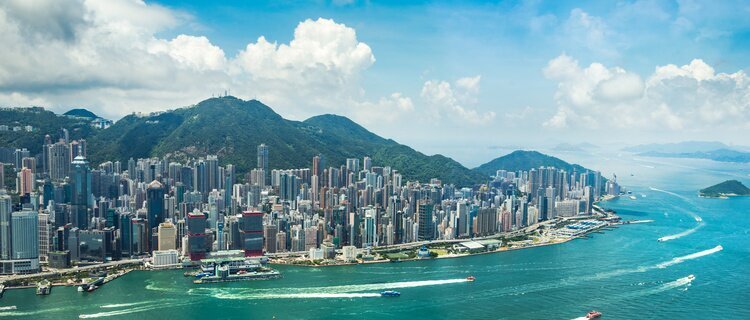
If visibility is good, approach the Peak Tram's Central Terminus at 33 Garden Road. The Tourism Board's official directions use Central Station Exit J2 for the walking approach. Allow extra time for the uphill walk and follow the current signs; a station exit is a starting point rather than the attraction entrance itself. Tourism Board Peak information Official operator approach map
The Tourism Board describes the tram journey as about 10 minutes. Queueing and boarding sit outside that figure. Decide in advance whether you want the tram experience, a paid viewing terrace or simply a walk at the top. Those are different purchases and different uses of time. Check the operator's live booking page for the fare on your date; an old promotional ticket table is a poor basis for a current budget.
Cross the harbour after the hillside or neighbourhood walk
Return to the waterfront and use the ordinary Central–Tsim Sha Tsui Star Ferry service for a practical crossing. The operator publishes adult weekday fares of HK$5 for the upper deck and HK$4 for the lower deck. On Saturdays, Sundays and public holidays, the corresponding fares are HK$6.50 and HK$5.60. Choose the deck at the correct entrance because the boarding channels differ. Star Ferry service and fares
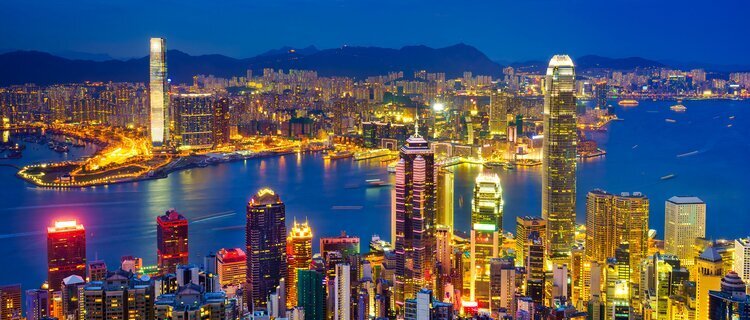
From Central, published weekday departures between 09:55 and 20:40 run at intervals of 6–8 minutes. This frequent service makes the crossing a useful flexible element, but marine traffic and weather can change actual operation. Read the pier destination before joining a queue; Wan Chai and Central are different routes. Keep the group together until everyone has passed the gate and agree a meeting point in case someone misses a sailing.
After landing, leave a generous lunch break and choose one section of the Tsim Sha Tsui waterfront. Watch the changing harbour traffic rather than trying to cover every promenade landmark. If the weather deteriorates, shorten the outdoor walk and use the MTR for the return. On a stopover, leave the last part of the day uncommitted so the airport journey remains straightforward.
Give a family day one main commitment
Choose the anchor before the smaller stops
A family itinerary improves when one person cannot keep adding attractions after everyone else has agreed to the day. Pick a theme park, a beach outing or an urban exploration day, then build meals and transport around that choice. A large attraction usually deserves the full available day. Avoid purchasing two major admissions because a map suggests they are only a few districts apart.
For an urban day, start with a simple breakfast near the hotel and a short journey to the first neighbourhood. Give children a small task: choose an interesting sign, spot different boats or compare two street sounds. The task should make the walk enjoyable without becoming homework. Include a seated indoor break before the afternoon heat or rain becomes a problem.

Ocean Park and Disneyland need different transport days
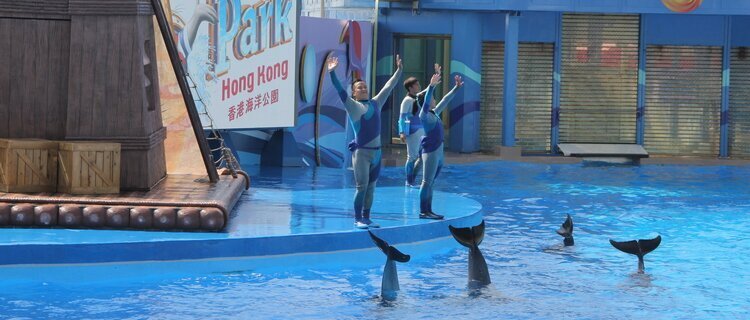
If Ocean Park is your priority, check its official operating calendar and select the park day before adding a dinner reservation. Use MTR's current journey planner to reach Ocean Park Station and follow the park entrance signs. Keep the evening meal near the hotel or along the return route. After a full park day, a scenic detour is often less appealing than a shower and a familiar place to eat. MTR network map
If Disneyland is the chosen attraction, treat the Sunny Bay connection and the Disneyland Resort Line as part of a dedicated outing. Confirm admission and the park calendar with the operator before buying transport products. Do not assume that an ordinary city day pass includes park entry. Pack for the actual forecast, identify the group's resting point and keep essential medication accessible throughout the journey.
You can keep a beach visit on a separate, lighter day. Repulse Bay is better enjoyed as a place to slow down than as a brief stop between major admissions. Check current beach conditions and transport before departure. In wet weather, move the family programme indoors and keep the outdoor outing for a clearer day. A sheltered lunch and a compact neighbourhood visit can be a complete day, especially for young children.

Use a tram ride as a small experience
A city tram journey can provide a change of pace on Hong Kong Island. Choose a short section that fits the day's geography and confirm boarding arrangements with the operator. Keep the destination simple, and avoid using a packed commuting period for a large family group. The pleasure is in watching the street pass slowly, not in reaching a distant terminus just to collect another transport mode.
For grandparents or a stroller, ask about steps, lifts and walking surfaces before fixing the route. A train station may be accessible while the chosen street approach is steep or involves a footbridge. Put the lift route into the saved directions, allow time for a different exit and arrange a taxi when the final uphill section would make the day uncomfortable.
Budget using the journeys you will actually make
MTR lists the Adult Tourist Day Pass at HK$75 and the child version at HK$35. The child category covers ages 3–11. Its travel window is 24 consecutive hours beginning with the first recorded MTR entry, rather than a calendar day ending at midnight. It excludes Airport Express and specified journeys or service classes, so check the complete conditions before choosing it. MTR Tourist Day Pass

Estimate the ordinary fares for your real route and compare them with the pass price. A day spent inside one park or walking beside the harbour may involve relatively few rail trips. Convenience has value, but a pass is not automatically the cheapest choice. Keep the transport decision separate from attraction admission, meals and any taxi rides so the family can see where the money goes.
A three-day city rhythm with one optional excursion
Day one: connect the two sides of the harbour
Use the Central and Tsim Sha Tsui route above as your first full day. Start around 08:30, keep the morning on Hong Kong Island and cross after lunch or after a visit to Victoria Peak. If cloud covers the hillside, reverse the outdoor priorities: enjoy the lower streets first and check the view again later. Do not buy a viewing ticket purely because the original plan placed it in a particular time slot.

Before dinner, ask whether the group wants another walk or a rest. A waterfront evening is attractive, but the people who arrived on a long-haul flight may be ready to finish early. Choose the meal location according to where you want to end the day. Crossing the harbour again for a restaurant can add more effort than the meal itself warrants.
Day two: explore a Kowloon neighbourhood at walking speed

Keep the second day on the Kowloon side for much of the day. Begin with a neighbourhood breakfast and visit a temple or garden only after checking its current access arrangements. Wong Tai Sin can fit a cultural morning, but remember that it is a place of worship. Observe local behaviour, avoid blocking prayer areas and ask before taking a close photograph of another visitor.
Plan a long midday break, then choose a street-market area in the late afternoon. Temple Street can be an evening option rather than a compulsory finishing point. Compare the atmosphere of residential lanes, commercial streets and waterfront space. The day becomes more memorable when you have time to notice how people use those places, instead of moving through a sequence of attractions at identical speed.
If you want a museum, choose it as the day's principal indoor visit and check its weekday closure before setting off. Temporary exhibitions, capacity controls and reservation requirements can differ. A museum day should not depend on the assumption that every indoor venue opens every day. Keep a nearby food or shopping stop as the flexible alternative.
Day three: choose Lantau or an island walk
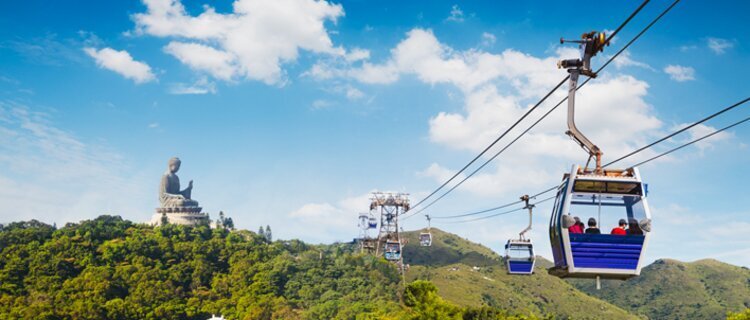
Lantau works best as a separate geographical day. Check the transport operator's current service notice before choosing the cable car or another route. Keep the main sights in one connected area and leave room for queues and changing visibility. Do not combine a Lantau outing, a long island ferry trip and a late airport departure unless the verified connections give you ample margin.
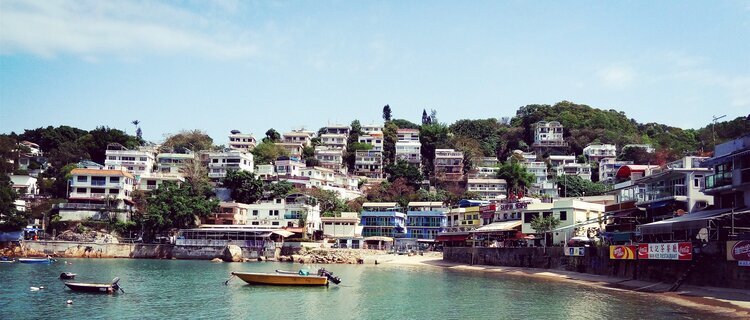
For Lamma, select an outbound and return pier before buying the ticket. A linear walk ending at a different pier creates a different transport plan from returning along the same route. Save both sailing schedules, pack water and choose a turnaround decision that matches the group's energy. The last convenient ferry should be a limit you plan around, not a challenge you try to beat.
With only three full days, choose one of these excursions. The unused option gives you a reason to return and keeps the present trip calm. For four or five days, add the other only if it fits the weather and everyone's interests. A second excursion is less valuable than a free afternoon when the group needs recovery time.
Macau belongs in a separate decision

A Macau day trip adds a border process and its own transport timetable. Check entry requirements for the passport you hold and confirm the return booking. Allow for terminal transfers on both sides, rather than counting only the train, bridge coach or ferry ride. If the main aim is to understand Hong Kong, another neighbourhood day may be more rewarding than introducing a second destination into a short stay.
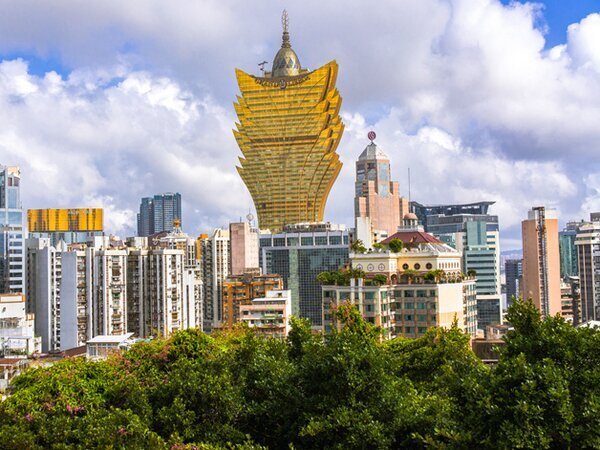
The existing Hong Kong–Macau tour link below is useful when comparing that pace with a city-only route. Ask for the current transport method and overnight arrangement in writing. A tour title does not tell you how much time you will actually spend walking, waiting or crossing a boundary.
Make the plan resilient to queues and weather
Use a daily departure sheet
Every morning, save the first destination, the intended station exit and the return route. Put the operator's service notice beside the booking confirmation so everyone knows which information takes priority. Choose a meeting point that can be described clearly, such as a staffed entrance or a named cafe. A map pin alone can be ambiguous in a multilevel station or shopping complex.
For the Peak, reach the Garden Road terminus early in the sightseeing day if that suits the confirmed service hours. An early visit often leaves more recovery time, but it cannot guarantee a short queue. If tram service is suspended for maintenance, the Tourism Board identifies bus 15 from Exchange Square and minibus 1 from the Hong Kong Station interchange as alternatives. Check the live route and accessibility before using either. Tourism Board alternatives
Rain requires two different decisions. Light rain may simply shorten a promenade walk; a severe weather warning can affect transport and outdoor access. Follow the Hong Kong Observatory and the transport operator's instructions. An indoor alternative is useful only if its travel route and opening status remain suitable. During serious disruption, staying close to your accommodation may be the correct plan. Hong Kong Observatory warnings
Keep the ferry enjoyable and easy to replace
Use the correct deck entrance and sit where staff direct you. The operator allows wheelchair boarding on the lower deck, with a maximum of four wheelchair users per ferry. Contact the operator for your group's needs rather than assuming that any sailing can accommodate everyone. Choose the crossing for its practical route and harbour perspective; do not build a rigid evening around a particular seat. Star Ferry passenger information
If the ferry is suspended, use the MTR's current journey planner to connect the two districts. The replacement journey may involve a different station and a longer walk at the destination. Save that route while the mobile connection is working. If the group prefers to remain on its present side of the harbour, revise dinner nearby and postpone the crossing.
Choose evenings according to the next morning
The night before an island excursion or a flight should finish earlier than a free evening. Lay out the tickets, check the pickup and confirm breakfast availability. Keep the last shopping stop optional. A useful itinerary ends each day in a place from which the next morning is easy, rather than at the furthest point reached on the map.
The Airport Express timetable and ticket arrangements should be checked again before departure. MTR's published train journey gives you a transport reference, while the airline's check-in and baggage deadlines set the airport target. Add hotel checkout, luggage collection and the station approach to the calculation. Ask the hotel about a transfer if a lift route or heavy baggage makes the rail approach awkward.
Ask for a proposal that explains the travel day
Tell the advisor how many full days you have, where you expect to stay and what everyone most wants to experience. Include the actual arrival and departure times. A request saying only “three days in Hong Kong” leaves the planner guessing whether those are three nights, three calendar dates or three complete sightseeing days.
Ask for a day-by-day proposal that names the first departure, main reservation, meal break and return area. For a private arrangement, confirm whether the driver, guide and admission bookings are separate services. State any mobility requirements, dietary needs or preference for a quieter evening. Clear constraints help the advisor make a route that works for your party.
The linked longer routes can show how Hong Kong connects with the Greater Bay Area or a wider mainland journey. Compare transfer days carefully. Border crossings and intercity journeys use hours that cannot also be spent sightseeing. Keep the first mainland arrival flexible until the exact transport and entry arrangements are confirmed.
Explore greater bay area highlights
Explore classic china tour from hongkong
Before payment, identify which parts are fixed and which can change for weather. Ask who will communicate a closure and how a replacement will be agreed. A practical proposal makes these ordinary decisions visible, giving you confidence without promising control over crowds or transport operations.
Use the reading links to refine one priority
Food, shopping and stopover planning each deserve their own decisions. Choose a food neighbourhood according to the day's route, shop when you can return easily to the hotel and keep an airport connection conservative. The links below are starting points for those smaller choices. Let them sharpen the itinerary rather than turn every recommendation into an additional stop.
For a final check, review the route with each traveller. Confirm the amount of walking, the number of hotel changes and the evenings that remain open. A city trip feels more personal when someone can choose an unplanned cafe or spend longer beside the harbour. Leaving that space is a deliberate part of the itinerary.
Questions to settle before booking
Should I include the Peak on a brief airport stopover?
Only after calculating immigration, city transfers and your airline's return deadline. The Airport Express ride can take 24 minutes, but the complete airport-to-attraction journey takes longer. Keep Central as the simpler option when usable time is limited.
Which Star Ferry entrance should I join?
Choose the destination first, then the upper- or lower-deck boarding channel. Central and Wan Chai use different routes, and deck prices differ on the Central crossing. Follow the pier signs and current staff instructions.
When does the MTR Tourist Day Pass begin?
Its 24-hour travel window starts with the first recorded MTR entry. It is not a midnight-to-midnight ticket. Check the excluded services before buying, including Airport Express.
Can I use the same day for a theme park and an island walk?
That creates a demanding schedule. Give the park its own main day, then place the island outing on a separate date with checked outward and return sailings.
What is the fallback if the Peak Tram stops running?
Check the current operator notice. The Tourism Board lists bus 15 and minibus 1 as alternatives, but choose them only after verifying the route and your group's access needs. Low cloud may make a city-level day preferable.
What should replace a cancelled harbour crossing?
Use the MTR journey planner for a route between the two districts or keep the rest of the day on your present side. Revise the station approach and meal location along with the transport.
Is Macau an essential part of a first Hong Kong stay?
It is optional. A separate border process and transport plan use time that could otherwise be spent in Hong Kong. Choose it for a clear interest and confirm both entry arrangements and the return connection.
Official information used for this guide
Sources for checking this guide
Use these channels and the relevant attraction or service provider to confirm current details. This list is a verification starting point, not a completed review of every statement above.